A fresh tattoo is an open wound. That is not being dramatic. The needle has punched ink through the top layer of your skin thousands of times, and what you do in the next two weeks determines whether that tattoo heals clean and sharp or comes out patchy, faded, and irritated. Most tattoo aftercare problems trace back to what happens after you leave the shop, not what happens in the chair. The good news is that the process is straightforward. It just requires actually following through.
Tattoo Aftercare Tips
Keep It Covered at First
Your artist will wrap the tattoo before you leave the shop. Leave that wrap on. It keeps bacteria off the fresh wound while you are in transit and exposed to whatever is in the air around you. Most artists recommend leaving the wrap on for two hours before removing it. Some use second-skin bandages, which can stay on for several days.
Ask your artist what they used and follow their specific instructions, because the answer varies by wrap type. A little blood or plasma seeping under the wrap is normal. That is your body doing what it is supposed to do.
Wash It Properly
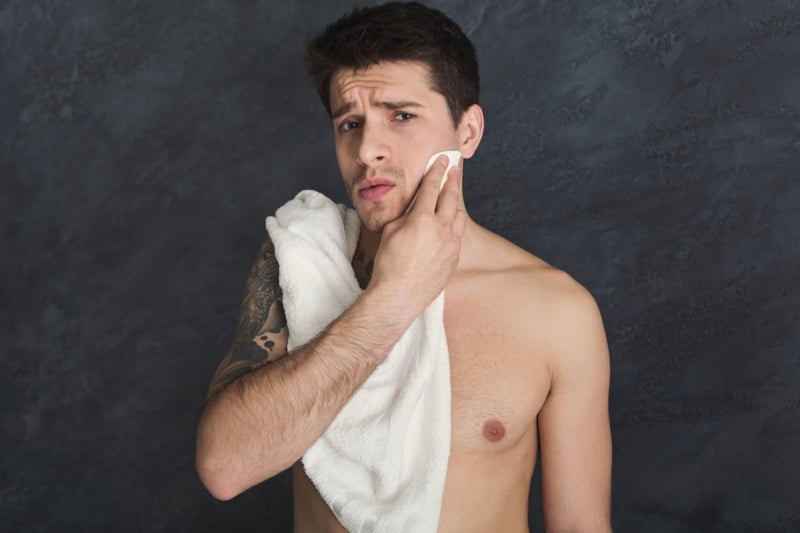
Once the wrap comes off, wash the tattoo with warm water and a fragrance-free antibacterial soap. Use your hand, not a cloth or sponge. Be gentle. You are cleaning the area, not scrubbing it. Rinse thoroughly, then pat dry with a clean paper towel. A regular towel can harbor bacteria and the texture can catch on fresh skin.
Stay out of the bathtub for the first few weeks. Soaking the tattoo in standing water, even clean water, pulls ink and disrupts healing. Showers are fine. Baths are not.
Moisturize Consistently
After washing, apply a thin layer of a fragrance-free, water-based lotion or a tattoo-specific ointment. Thin is the key word. A thick layer of product sitting on the skin traps moisture and can cause breakouts or slow healing. You want just enough to keep the skin from drying out.
Aim to wash and moisturize the tattoo around four to six times a day for the first two weeks. It sounds like a lot, but the window matters. Dry, cracking skin loses ink and detail. Keeping it hydrated keeps the work intact. Skip petroleum-based products like Vaseline. They suffocate the skin and can pull color out of healing ink.
Stay Out of the Sun

Fresh tattoos and direct sunlight are a bad combination. UV exposure fades new ink fast and can cause serious irritation on skin that is still healing. Keep the tattoo covered when you are outside during the healing period. Once it is fully healed, use a high-SPF sunscreen on the area any time you are in the sun. Black ink holds up better than color long-term, but all tattoos age faster with regular sun exposure.
Do Not Scratch It
The tattoo will itch. This is normal and it usually kicks in around days three to seven as the skin starts to peel. Do not scratch it. Scratching pulls ink out of the skin and can leave patchy spots that your artist will need to fix later. If the itch is intense, slap the area lightly with a flat palm instead. It sounds odd but it works. Peeling is also normal and looks worse than it is. Let the dead skin come off on its own. Picking it speeds up ink loss.
Watch for Infection
A reputable shop sterilizes all equipment and uses single-use needles. That eliminates most infection risk before it starts. But even with proper studio hygiene, infections can happen, usually from poor aftercare on the client’s end.
Signs to watch for include fever, persistent swelling beyond the first day or two, unusual redness spreading from the tattoo, and pain that is getting worse rather than better. If you see any of these, contact a doctor. A mild infection caught early is manageable. One left alone is not.
Be Realistic About Healing Time

The surface skin heals in two to three weeks. The deeper layers take closer to three months to fully settle. During that longer healing window the tattoo may look dull or slightly unclear, which is normal. The final result shows once the skin has fully recovered. Larger pieces and highly detailed work take longer to heal than small simple designs. Factor that in before booking back-to-back sessions on the same area.
Get a Touch-Up If You Need One
Even with solid aftercare, some tattoos come out of healing with a light spot or an area where the ink did not fully take. It happens. Most reputable studios offer a free touch-up within a set window, typically six to eight weeks after the session. Check the shop’s policy when you book. Do not go back before six weeks. The skin needs time to finish healing before fresh ink can be applied over it.
Common Mistakes
Overwashing is as much of a problem as underwashing. Washing the tattoo ten times a day strips the skin and slows healing. Four to six times is the target, not a minimum to exceed.
Applying too much lotion is the other version of the same mistake. A thick coat of product sitting on fresh skin all day is not protecting anything. It is clogging pores and potentially trapping bacteria.
Swimming is off the table during healing. Chlorine, salt water, and standing water in any form pulls ink and introduces bacteria. Three weeks minimum before getting in a pool or the ocean.
Wrapping the tattoo in plastic wrap after the first day is something people still do based on old advice. Skip it. The skin needs to breathe.
Frequently Asked Questions
What is the proper aftercare for a new tattoo? Wash the tattoo two to three times a day with a fragrance-free antibacterial soap, pat it dry with a clean paper towel, and apply a thin layer of fragrance-free lotion or tattoo ointment. Keep it out of direct sunlight and away from standing water until the surface skin has fully healed, which typically takes two to three weeks.
How long does tattoo aftercare last? The active aftercare routine of washing and moisturizing four to six times a day applies for the first two weeks. After that you can scale back, but the deeper layers of skin continue healing for up to three months. Sun protection on the area should become a permanent habit once the tattoo is healed.
What should you avoid after getting a tattoo? Avoid soaking the tattoo in any standing water, scratching or picking at peeling skin, exposing it to direct sunlight, and applying petroleum-based products. All of these disrupt healing and can pull ink out of the skin before it has fully set.
Is it better to keep a new tattoo moist or let it dry out? Keep it moist. Dry, cracking skin loses ink and detail. A thin layer of fragrance-free lotion applied consistently through the healing period preserves the work and reduces the risk of infection. The mistake most people make is applying too much product rather than too little.
Why do some tattoo artists say not to use Aquaphor? Aquaphor is petroleum-based, which can clog pores and trap bacteria against healing skin. Lighter, water-based ointments and fragrance-free lotions allow the skin to breathe while still keeping it hydrated. Some artists still recommend Aquaphor in small amounts, so if your artist has a strong preference, follow their lead.
When can you go back for a touch-up? Six weeks is the standard minimum before a touch-up session. The skin needs to fully settle before new ink can be applied over it. Going back too early risks damaging tissue that is still healing. Most studios offer a free touch-up within a set window after the original session, so check that policy when you book.