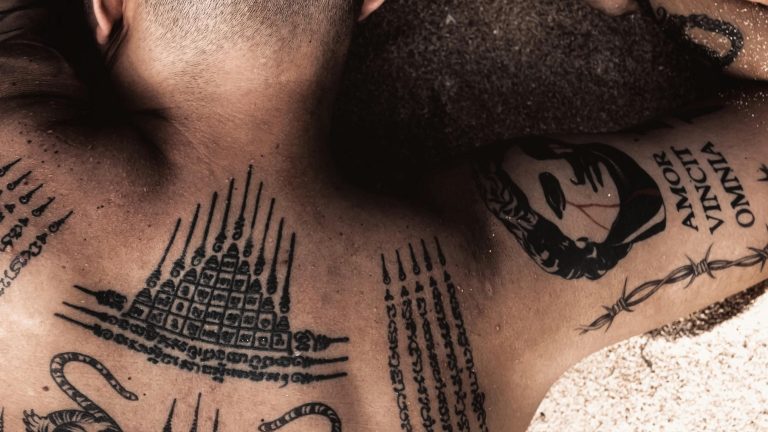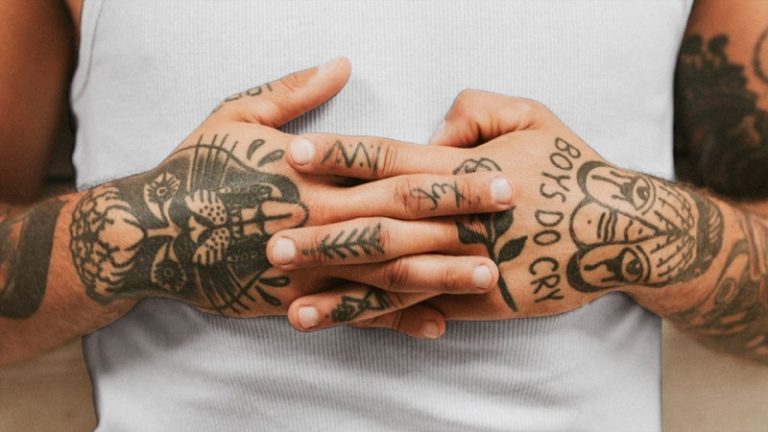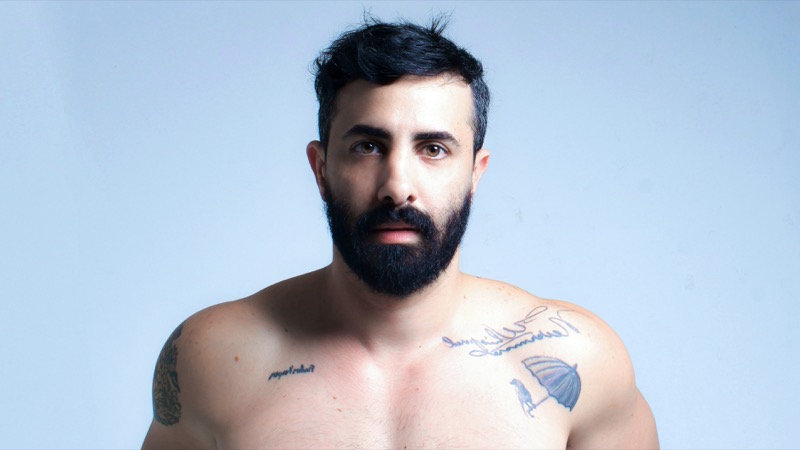
Most guys assume small tattoos are the easy mode of ink. Less pain, less money, less commitment, no big decision. That framing is why so many small tattoos end up as the worst ink on the body. Small is not easy. It is the size category that ages the worst, requires the most deliberate placement, demands the highest meaning density, and still runs into shop minimums that make “small” cost more per square inch than a full sleeve.
This is the guide for guys who want a small tattoo to hold up, not just look good in the first week. Where to put it, what style to pick, which subjects survive the shrink to an inch, and why the guys walking around with clean small pieces ten years later made very different choices than the ones walking around with blurred blobs.
What Counts as a Small Tattoo
Small is a size category, not a style. The working definition most artists use is anything that fits inside a hand span or a palm print, roughly three inches at the longest edge and under. Micro tattoos are the subset below that, usually one inch or smaller, sometimes called stick-and-poke scale even when they are machine work.
Above three inches, you are into medium. Below one inch, you are into micro. Inside that range, what matters is not the exact measurement but whether the design still reads cleanly when the skin moves, when it ages, and when someone sees it from four feet away. If a stranger has to ask what it is, it is too small for the design you picked.
How Small Tattoos Actually Age
The hard truth no one tells you at consult: small tattoos age worse than any other size. Ink spreads over time as the body’s immune cells break it down and push the pigment slightly outward. On a big piece, that spread is invisible. On a one-inch tattoo with thin lines, it turns crisp detail into a blurred smudge inside five to ten years.
Fine Lines Are the First to Go
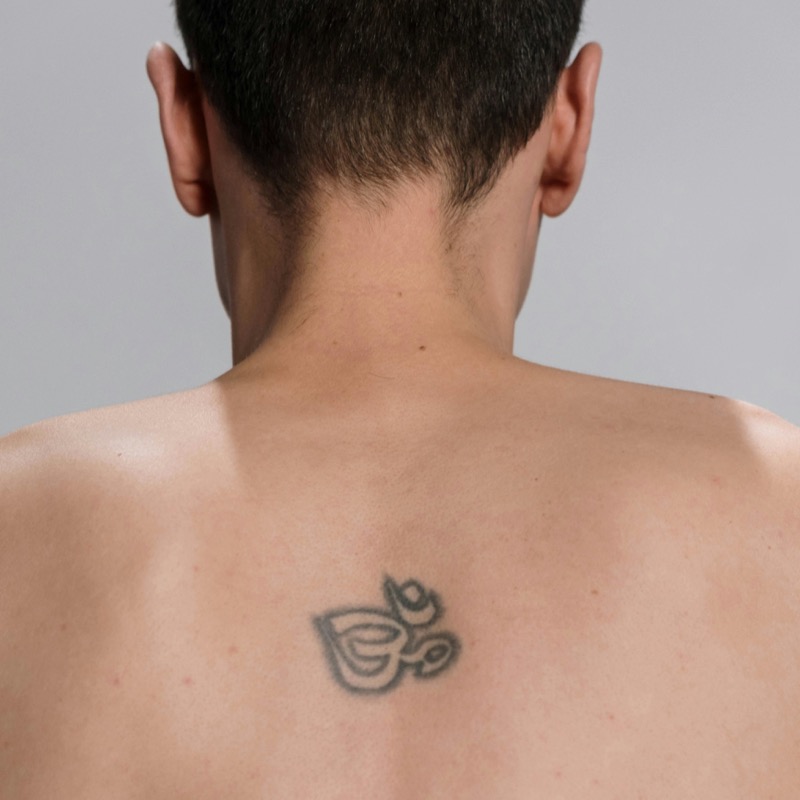
Look at any ten-year-old fine-line tattoo and you see the same story. What was a delicate single-hair line at healing becomes a slightly fuzzy grey line a few years later, and a blob a few years after that. That is not bad tattooing. That is biology. Thin ink has less pigment holding it in place, and the hand, wrist, and finger placements that suit small pieces are also the ones with the highest skin turnover.
The counter-move is not to avoid small tattoos. It is to accept the aging curve at design time. Bolder lines, higher contrast, simpler shapes, and placements away from high-friction zones all add years to how the piece reads. A small traditional anchor with a thick outline will still look like an anchor in twenty years. A delicate fine-line botanical with half-a-millimeter lines will be a soft grey shape.
Best Placements for Small Tattoos
Placement matters more when the tattoo is small, not less. The whole piece has to sit inside a zone that flatters it, doesn’t fight with body hair, clothing, or movement, and doesn’t crowd it with other ink. Below are the eight zones where small tattoos actually work.
Small Wrist Tattoos
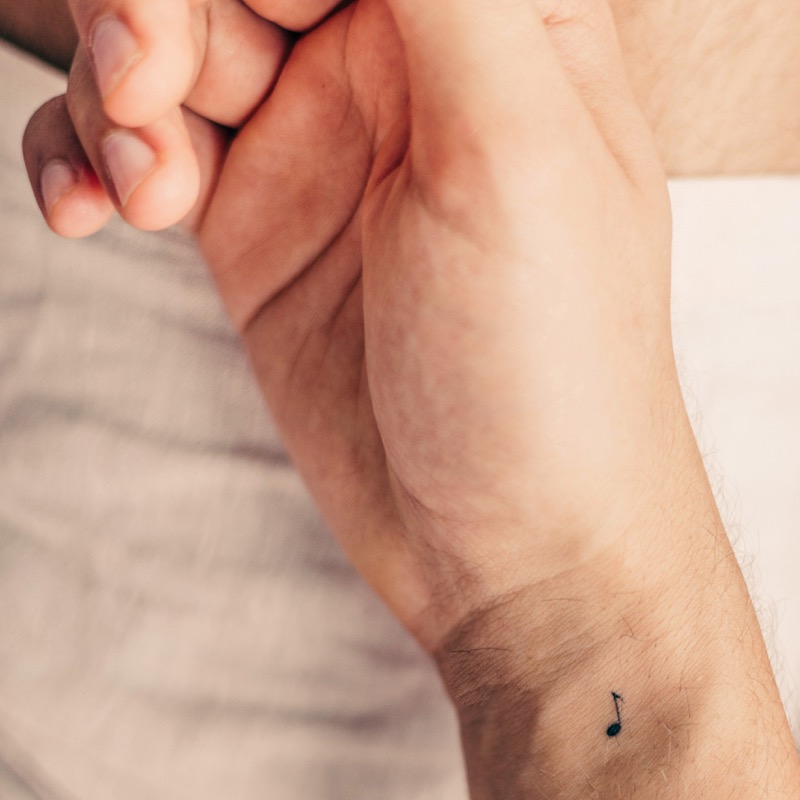
The wrist is the default small-tattoo zone for a reason. It holds tiny designs without making them look lost, it tolerates micro scale well, and the skin on the inner wrist is thin enough that even the most delicate ink shows clearly. Pain is on the lower end of the tattoo pain chart, though the bone on the outer wrist bumps it up a notch from the soft inner side.
The tradeoff is aging. Your wrist gets more sun, more friction, and more water exposure than almost anywhere else on the body. Expect a wrist tattoo to need a touch-up inside a decade if you picked fine line. If you picked solid black or traditional, it will hold.
Small Hand Tattoos
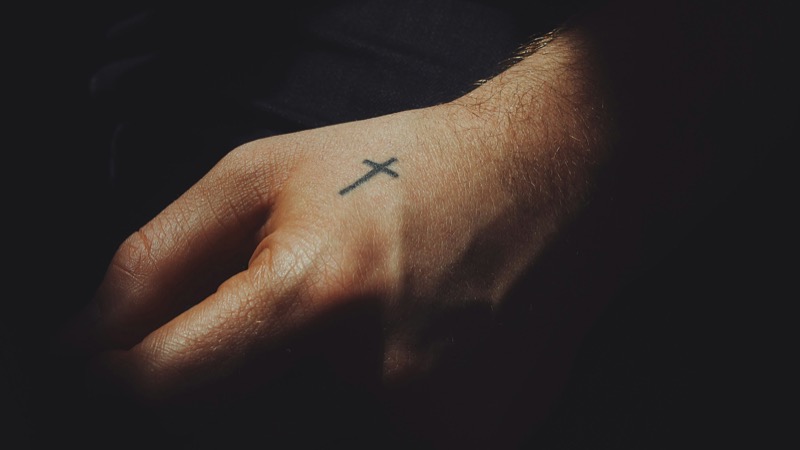
A hand tattoo is a statement. It is on display every time you shake someone’s hand, hold a drink, pass over a debit card, or type. That visibility is the entire point, and it is also why most shops will turn away a first-tattoo client asking for a hand piece. If you have no other ink, the industry term for this is a “job stopper,” and a good artist will say so out loud.
Hand ink also fades faster than almost any other placement. The skin on the back of the hand regenerates constantly, and the fine bones underneath mean the needle has to work through a surface that moves every time you close your fist. If you want a small hand tattoo that lasts, go bold outline, solid ink, and a simple subject. Fine script on the hand is a touch-up appointment waiting to happen.
Small Forearm Tattoos
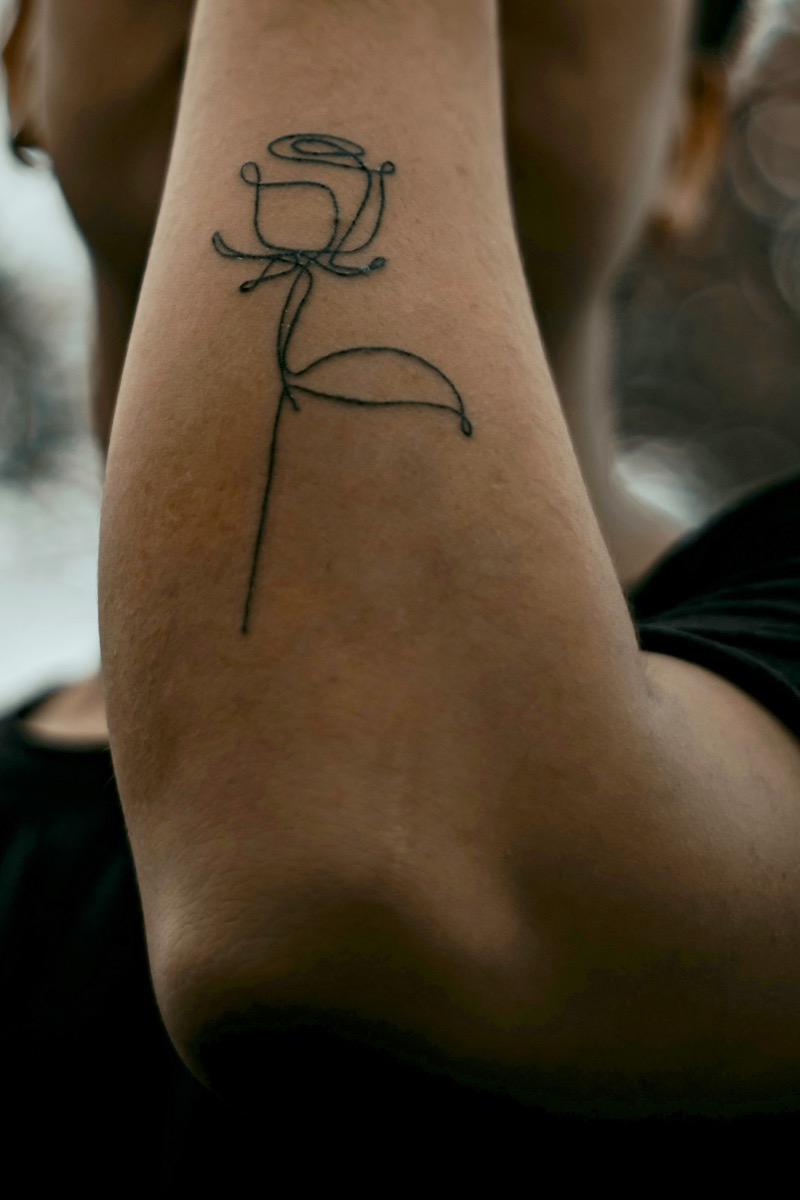
The forearm is the single most forgiving canvas on the body for small tattoos. Low pain, easy healing, flat surface, and enough space that a two-inch piece doesn’t look stranded. This is where most guys should start. See our full forearm tattoos for men guide for the complete placement breakdown.
Small forearm work sits best either on the inner forearm as a private piece you control with your sleeve, or on the outer forearm where it lives with your rolled cuffs. Avoid the wrist crease and the inner elbow unless you like touch-ups. Single icons, short script, and fine-line botanicals all work here, and the forearm ages the best of any commonly tattooed spot.
Small Chest Tattoos
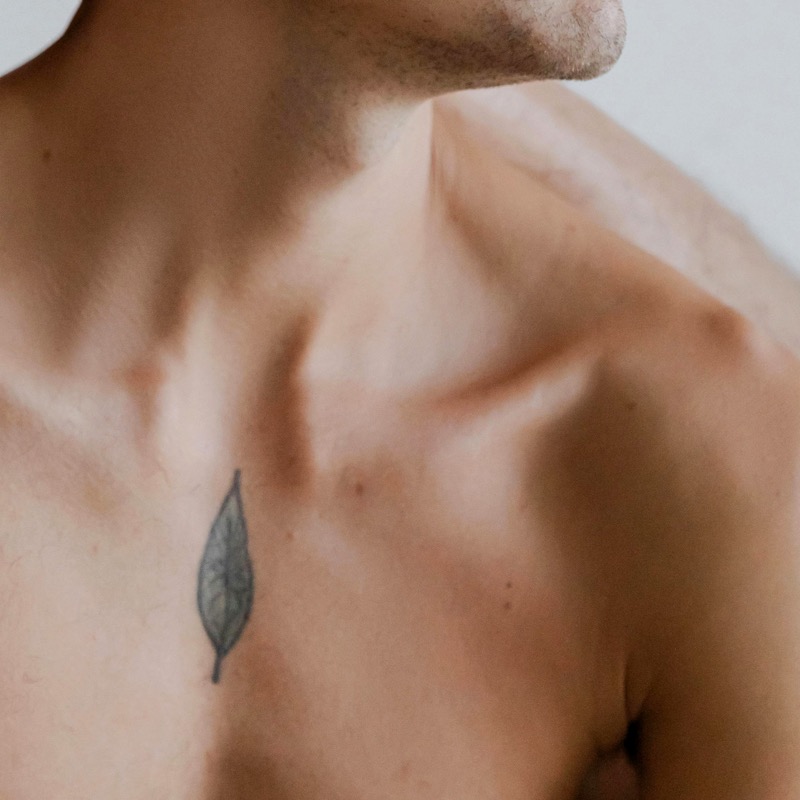
A small chest tattoo is a different animal from a full chest piece. The play here is a single anchor point, usually under the collarbone or centered on the sternum, that reads as an intentional mark rather than a surface to be filled. Our chest tattoos for men guide covers the full chest in detail.
The center-chest sternum spot is the most dramatic location for a small piece. A single leaf, symbol, or icon there becomes the focal point of your whole chest when the shirt comes off. Pain is real (sternum is bone), but the session is short because the design is small. A solo pec icon, positioned above the nipple line, also works and hurts less.
Small Shoulder Tattoos
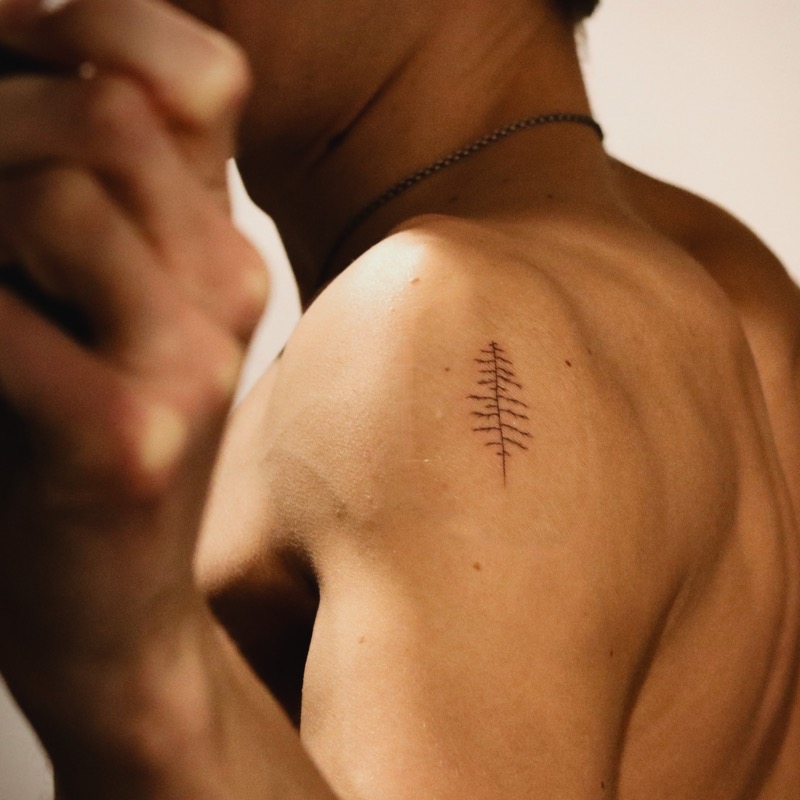
The shoulder cap is underrated for small tattoos. Flat surface, moderate pain, excellent aging (it rarely sees sun under a t-shirt), and the round shape of the deltoid frames a small design cleanly. A fine-line tree, a geometric symbol, or a single animal icon all sit naturally here.
What kills shoulder tattoos is scope creep. Guys start with a small piece and then add to it, and then add to it again, and end up with a sleeve that never cohered because it grew out of a random small starting point. If you want a small shoulder tattoo to stay small, place it with intention and leave breathing room around it. Do not let it become the seed of a half-sleeve by accident.
Small Neck Tattoos
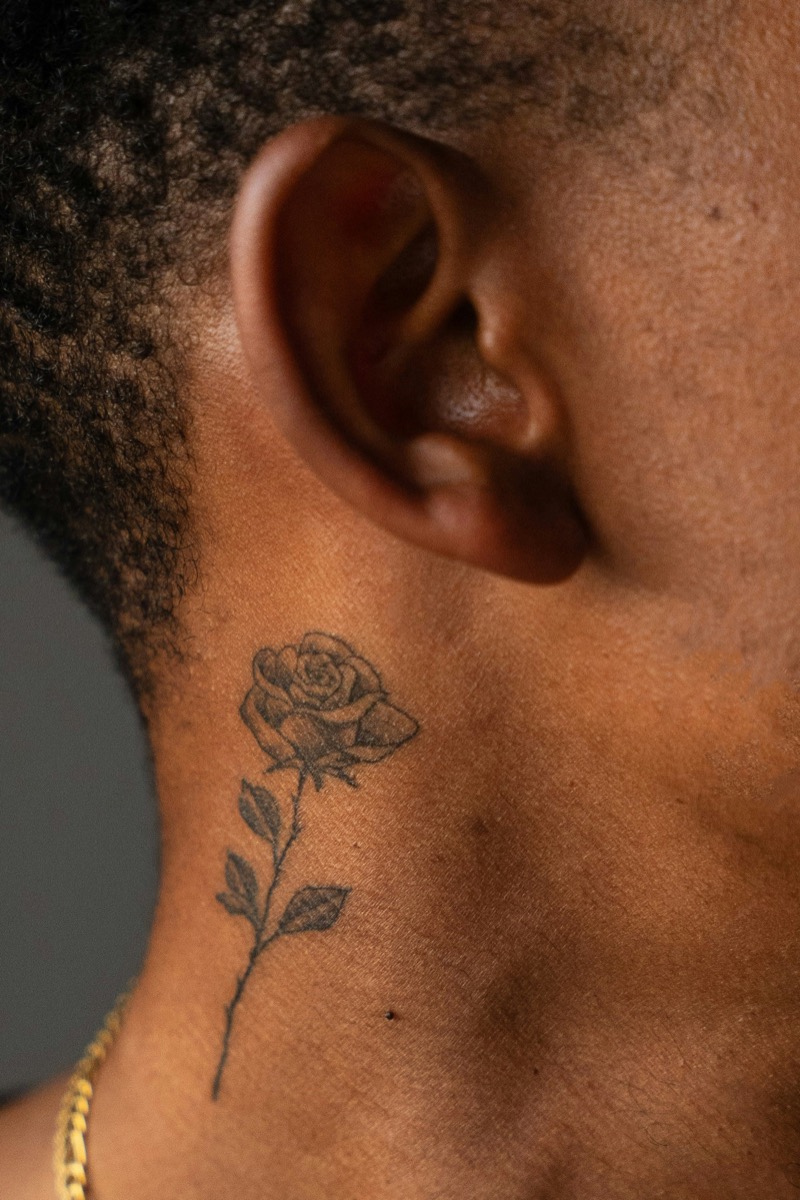
The neck is a high-commitment small-tattoo zone. Visible with any collar, nearly impossible to hide in a dress shirt without turning the collar up, and carries every connotation guys associate with neck ink. Most artists will not do a neck piece on a client with no other tattoos, and a good artist will ask real questions about your work situation before they break out the machine.
When neck ink works, it works because the design is worth the commitment. A small rose, an anchor, a single symbol, or a cross on the side of the neck reads as deliberate. The side of the neck below the ear is the cleanest placement. The back of the neck hides easier but shows less. The front throat is maximum commitment and rarely looks subtle no matter what you put there.
Small Finger Tattoos
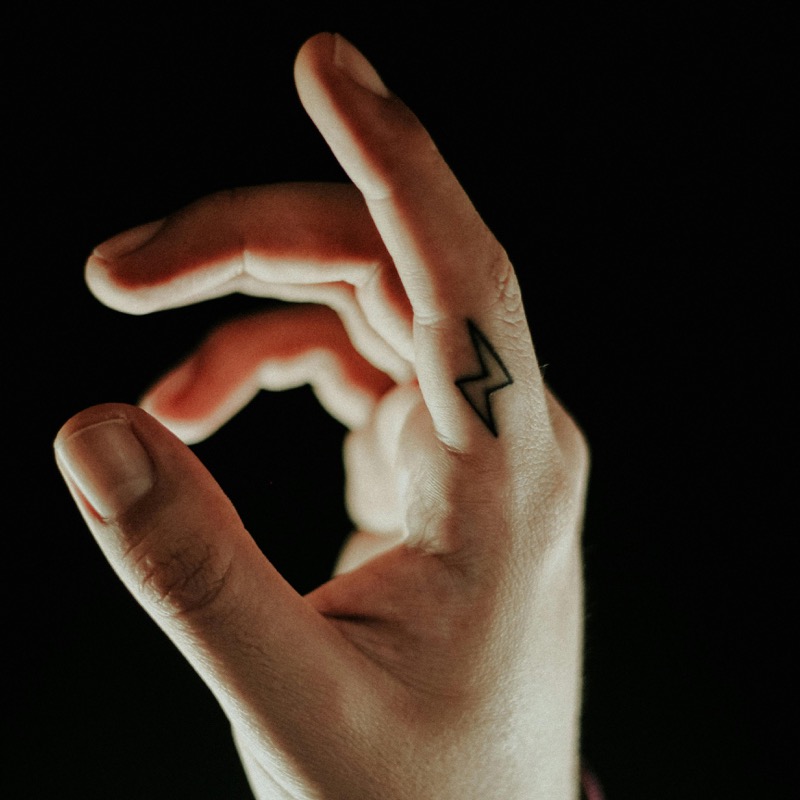
Finger tattoos are the shortest-lived small ink on the body. Constant washing, handling, friction, and the skin’s fast turnover on the fingers means even a clean piece will fade significantly inside two years, and most are faint ghosts by year five. Go in knowing you are signing up for touch-ups, or accept that it is temporary.
The move on fingers is bold, solid, and tiny. A single lightning bolt, a small symbol on the side of a finger, a ring-style band around one finger. Fine detail will not hold. Script will blur into illegibility. Anyone who tells you otherwise has never seen a five-year-old finger tattoo.
Small Leg & Ankle Tattoos
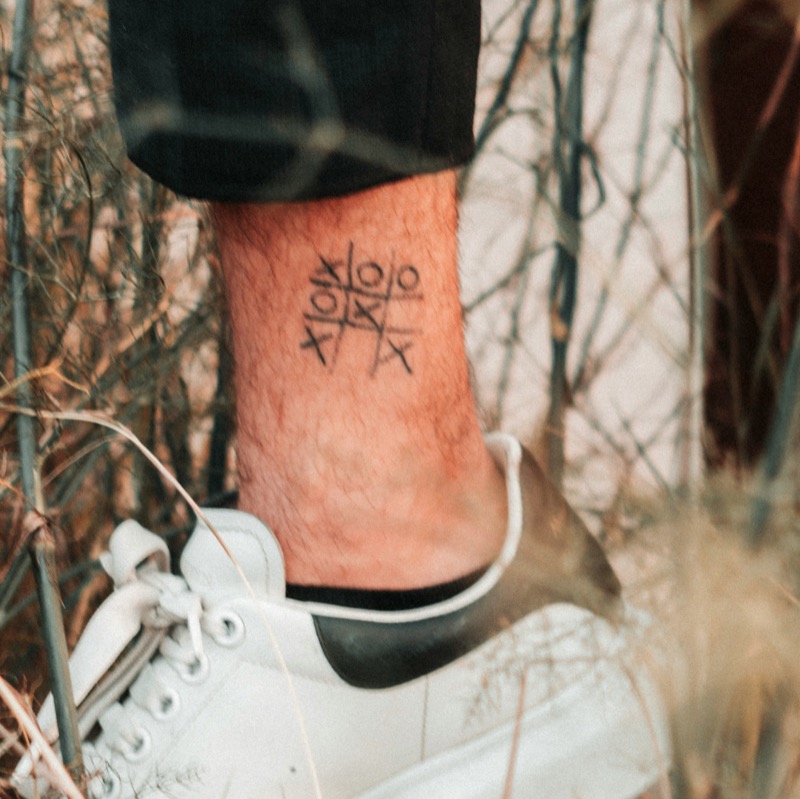
The ankle and calf are forgotten zones for small tattoos. They hold small work well, they live under pants most of the year so they age slower than hand or forearm, and the skin tolerates ink without much fuss. A small geometric mark above the ankle, visible only when you want it to be, gives you all the quiet-ink benefits without the visibility of a wrist piece.
Pain on the ankle bone is sharp but short. The calf muscle is one of the easiest spots on the body to tattoo. If you want a small piece that will outlast your current job, your current relationship, and your current haircut, the inner calf or above the ankle is the quiet winner.
Best Styles for Small Tattoos
Style matters more when the canvas is small because there is no room to hide a bad choice. These are the five styles that survive the shrink.
Fine Line
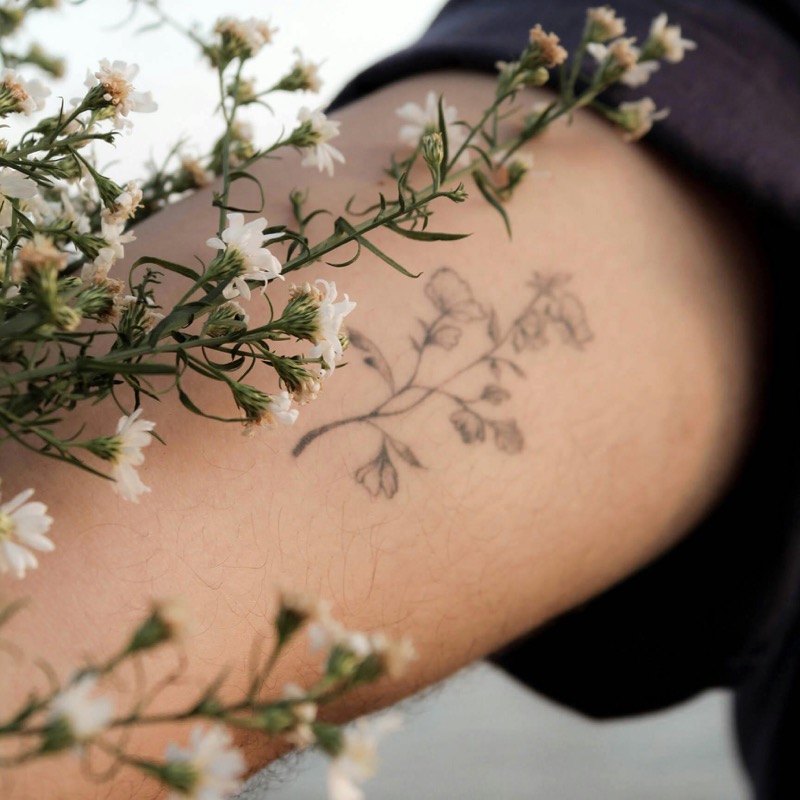
Fine line is the most popular small-tattoo style on Instagram and the one that ages the worst. That is the whole story in one sentence. The style uses single-needle setups to create hair-thin lines that read delicate and detailed at healing, and blur into grey fuzz inside ten years.
If you want fine line, the move is to find an artist whose healed work (not fresh work) looks sharp at the five-year mark. Ask to see it. Fresh fine line always looks clean. Healed fine line separates the artists who understand ink deposition from the ones who are still learning at your expense.
Minimalist & Single Icon
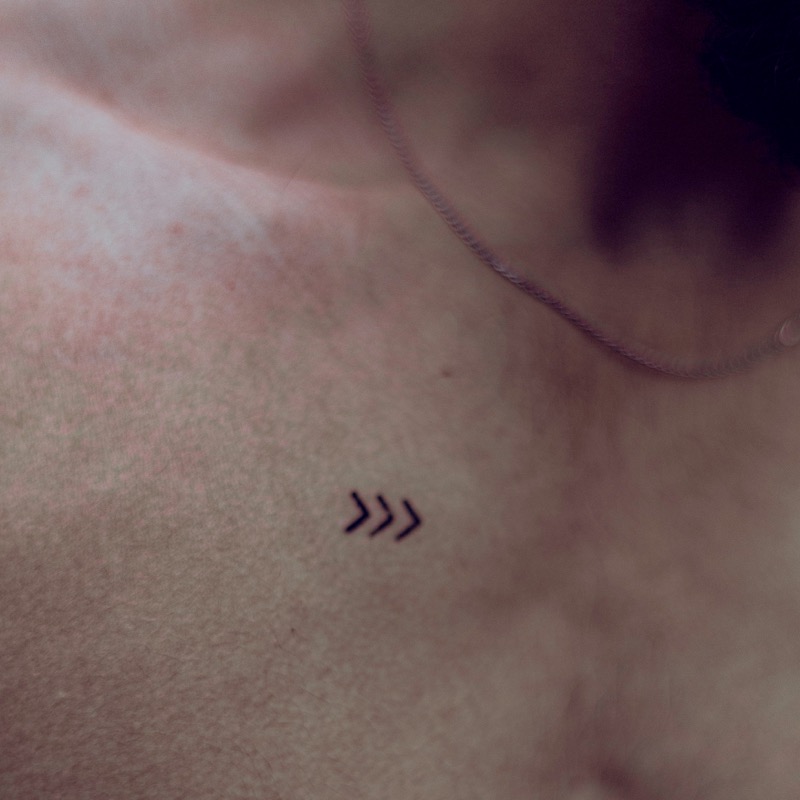
Minimalist is the opposite of fine line done smart. One symbol, solid ink, clean geometry, no detail that can blur. Three chevrons under the collarbone. A small square. A triangle. The design has so little going on that aging cannot hurt it. A minimalist tattoo looks the same at year one and year fifteen because there is nothing in it that can degrade.
This is the safest aging bet for small tattoos. It is also the style that separates guys with good taste from guys trying to have taste. A good minimalist tattoo is specific and intentional. A bad one is a random shape that could mean anything, which is how it ends up meaning nothing.
Traditional Micro
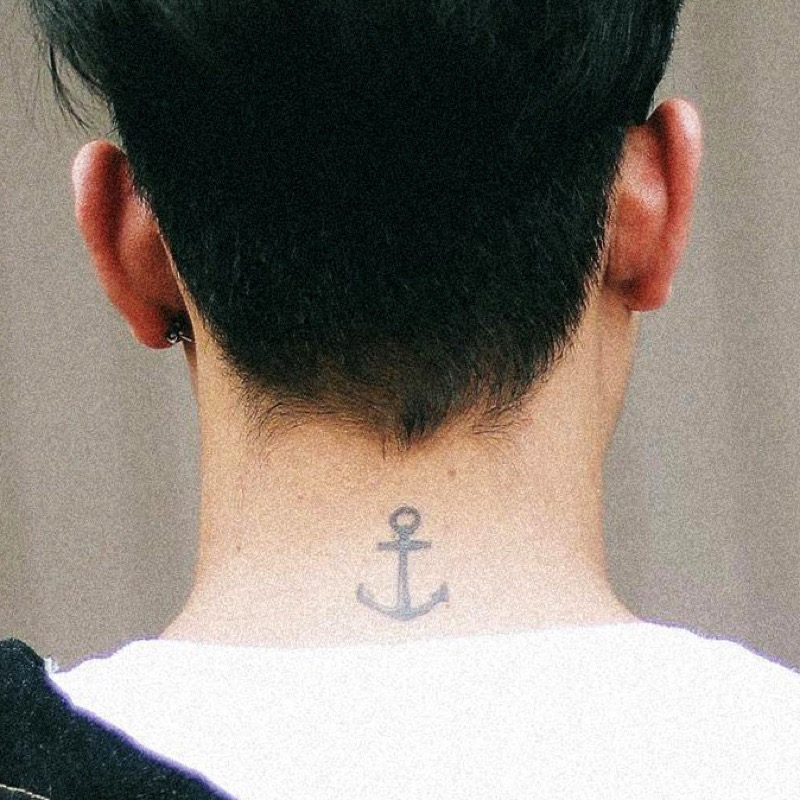
Traditional tattoos were built for longevity. Bold outlines, solid color or black fills, iconic subjects. Scaled down to one or two inches, the style becomes traditional micro: small anchors, swallows, hearts, daggers, roses. Everything traditional does at full size it still does at small size, because the design language was never about detail in the first place. It was about reading clearly from across the room.
Traditional micro is the style that ages closest to perfectly of any small-tattoo category. The outline holds, the solid fills do not blur, and the icons are culturally legible enough that even someone who knows nothing about tattoos recognizes the shape. A small traditional anchor at year twenty still looks like an anchor.
Script & Quote
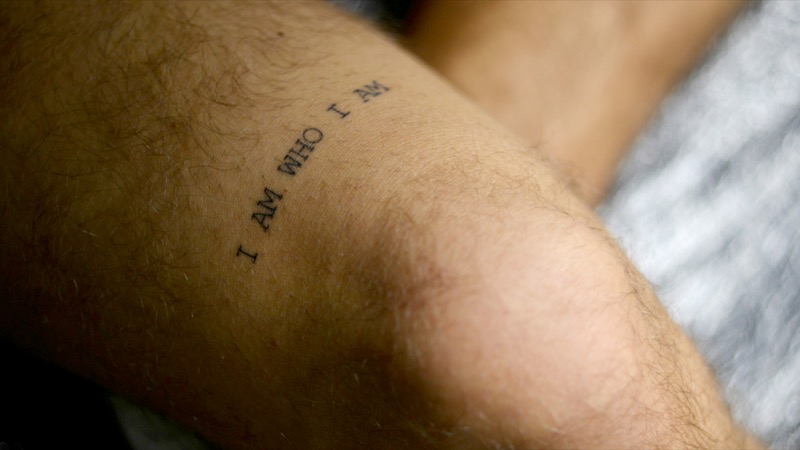
Script is where guys get into trouble. A full sentence in small text becomes a grey smudge after a decade. The rule is short. One word, two words, three at the outside. A date. A single phrase. If you cannot say it in four words, do not put it on your skin in letters this small.
Font matters more than most people realize. Serifs with fine detail will blur. Simple sans-serif or bold serif holds. If you are thinking about a handwritten script in someone’s actual handwriting, have your artist trace it in a weight thick enough to survive aging. The original signature is the emotional anchor. The tattoo is its own object and needs its own design choices.
Geometric & Symbol
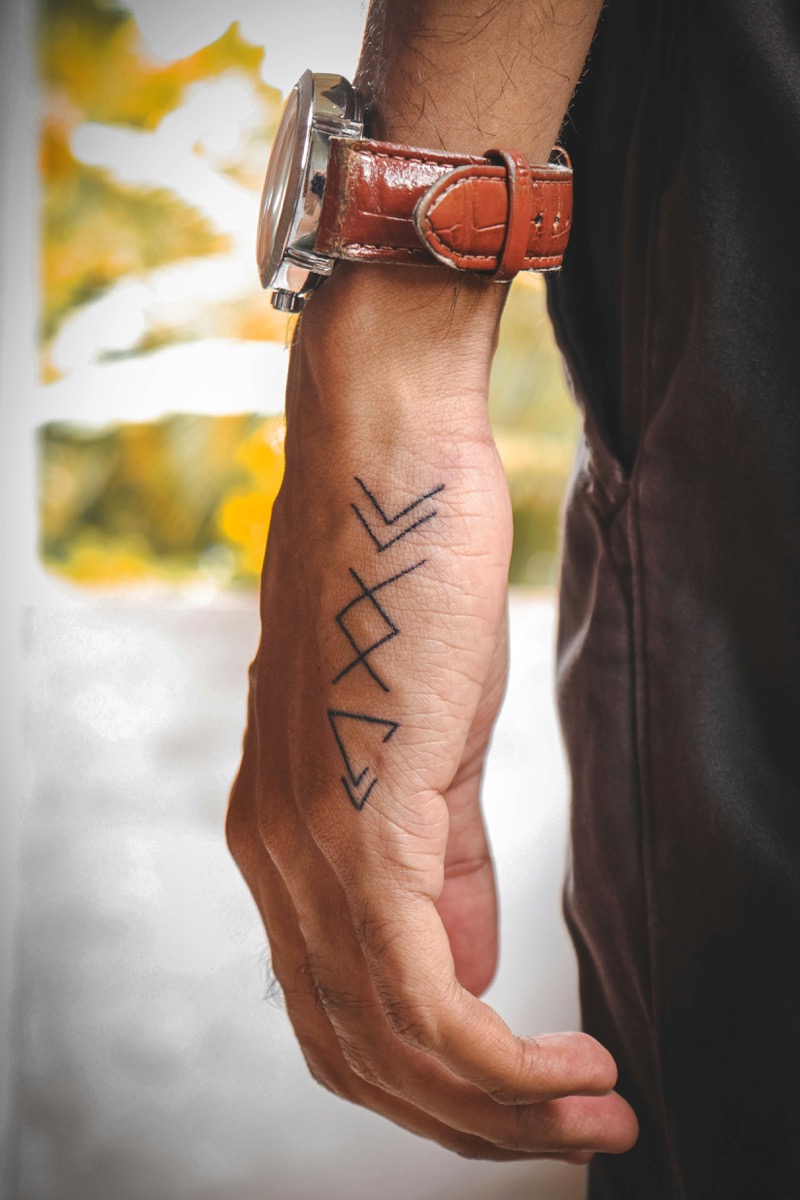
Runes, geometric patterns, single glyphs, and simple symbolic marks make a specific case for small tattoos that the other styles don’t. They are designed to be small. A Nordic rune was never meant to fill a thigh. A geometric triangle was always one inch on the side. The style fits the scale natively.
The risk with symbolic tattoos is pulling a symbol you do not understand off a Pinterest board. Research it. Know what it means in the culture it came from. Guys who put on runes they googled the night before regret it in a way that guys who put on roses do not, because a rose is always a rose and a rune could mean anything from protection to something much worse depending on the row of runes you picked.
Small Tattoo Ideas That Hold Up
The subject matters as much as the style. These are the two categories of small-tattoo ideas that survive the meaning test most often.
Hobbies & Passions
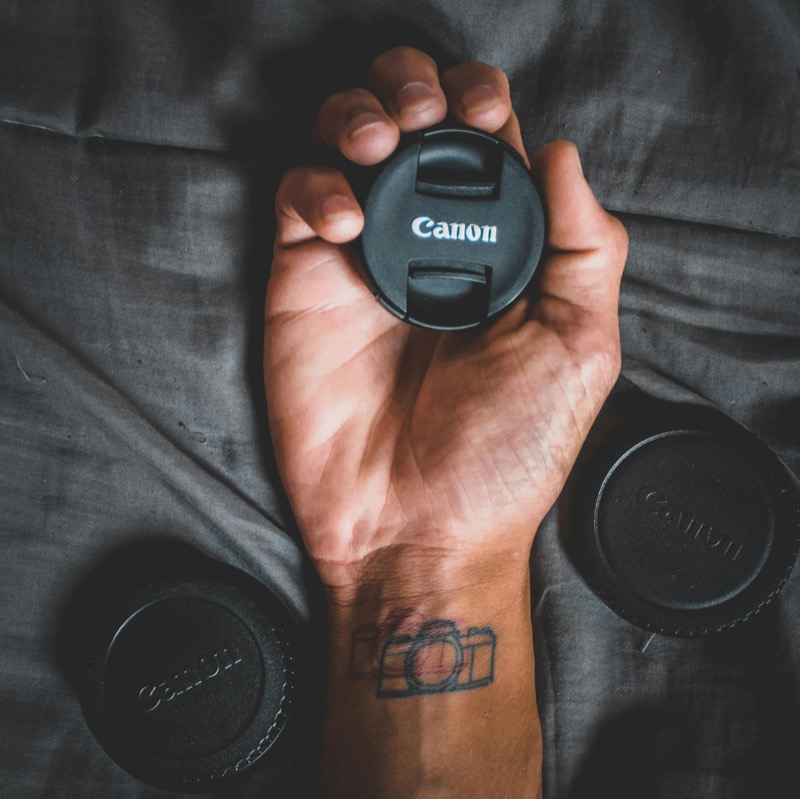
The single highest-hit-rate category for small tattoos guys do not regret is the hobby icon. A camera for the guy who shoots. A molecule for the chemistry grad. A guitar, a surfboard, a climbing knot, a vinyl record. The symbol works because it is personally specific. It connects to something the guy actually does, not a mood he had in his twenties.
The failure mode here is generic. A music note on every guy who has ever listened to a song. A compass on every guy who ever read a travel book. The specific version (a French horn, a Rhodes piano, a compass with your actual home coordinates) beats the generic every time. Your tattoo artist will respect the specific version more, too.
Nature & Botanical
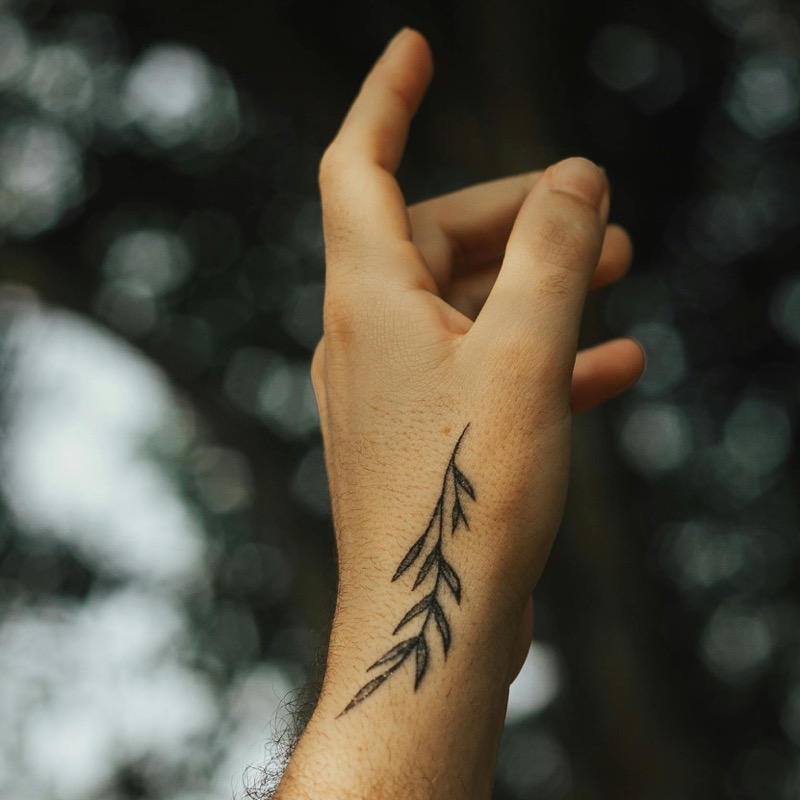
Nature subjects are the other category that ages well both visually and emotionally. A pine tree, an olive branch, a single leaf, a wave, a mountain outline. The shapes are simple enough to survive scaling down, legible enough to read clearly, and culturally weighted enough that they mean something without being overexplained.
The move here is to pick something with local meaning rather than Pinterest meaning. An oak tree if you grew up under one. A specific coastline if you come from the coast. A mountain range you actually hiked. The generic “nature tattoo” is forgettable. The specific nature tattoo tied to where you are from or what you love becomes the piece you can still explain in twenty years without feeling like a fraud.
Pricing Reality: Small Doesn’t Mean Cheap
Shop minimums exist, and they exist for small tattoos specifically. A shop minimum runs $80 to $150 in most of the country and $150 to $250 in major cities. That is the floor, not the rate. Your two-inch tattoo that takes forty minutes to execute still costs the minimum, because setup, sterilization, consultation, and the artist’s time all have to get paid regardless of how much actual needle time your piece requires.
Per square inch, small is the most expensive size category. A three-hour half-sleeve might cost $600 total, which works out to maybe $20 per square inch. A two-inch piece that hits the $150 minimum is more like $40 per square inch. The math gets worse with tipping. See our tattoo cost guide for the full breakdown.
Pain for Small Tattoos
Size reduces total session time, not per-second pain. A small piece on a ribcage will hurt exactly as much as the same line of work on any other ribcage tattoo for as long as the needle is in your skin. The session just ends sooner. That is the entire pain difference for small pieces versus bigger ones on the same spot.
Placement still dominates. The tattoo pain chart does not care whether your piece is one inch or twelve. Hands, feet, ribs, sternum, inner bicep, and neck all hurt regardless of scale. Forearm, outer thigh, outer shoulder, and calf all hurt less regardless of scale. Pick your spot based on pain tolerance first, not because the piece is small.
Small Tattoo Mistakes to Avoid
Too much detail is the most common mistake. Guys bring in a reference image with thirty elements and ask the artist to shrink it to two inches. The artist says yes because they want the work, and the result is unreadable the day it heals. If the design needs detail to work, make it bigger or simplify it. Do not do both and hope.
Trendy fonts and styles are the second. Anything viral on TikTok in 2023 is already dated by the time it heals. Fine line script styles, white-ink tattoos, UV-reactive ink, and tiny photorealism all fall here. Ask your artist what the five-year-old version of this design looks like. If they cannot show you healed work in that style, the answer is it looks bad.
The third mistake is rushing because it is small. A small tattoo deserves the same design time, the same artist research, the same placement conversation as a big one. The permanence is the same. Treat it that way.
Frequently Asked Questions
How long do small tattoos last?
Forever in principle, ten to fifteen years cleanly in practice before most small tattoos need a touch-up. The smaller the piece and the thinner the lines, the sooner it will soften. Solid black and traditional work hold longer than fine line by a wide margin.
How much does a small tattoo cost?
Most small tattoos hit the shop minimum, which runs $80 to $150 in most places and $150 to $250 in major cities. That is the floor regardless of how simple the design is. Custom work, a well-known artist, or a more painful placement can push it higher. Plan on $150 to $250 total for a standard small piece at a reputable shop.
Do small tattoos hurt less?
Not per minute. Per session, yes, because the session is shorter. If your piece takes twenty minutes on a forearm, you feel twenty minutes of forearm tattoo pain, which is manageable for most guys. Twenty minutes on a ribcage is still twenty minutes of ribcage pain, which is not manageable for most guys. Placement beats size every time.
What is the smallest tattoo possible?
Micro tattoos run from a single dot up to roughly half an inch. The real limit is not how small the needle can go but how much ink the skin can hold in a tiny space. Anything under a quarter inch is a gamble on healing, because the body sometimes absorbs that little pigment entirely and the piece disappears within a year.
Can a small tattoo be covered up later?
Yes, easier than a big one. A two-inch piece can usually be covered with a three or four-inch piece in a darker or more detailed style. Laser removal is also faster and cheaper for small tattoos than big ones. If you think there is even a chance you might regret the piece, stick to a spot that is easy to cover (forearm, upper arm, calf) and avoid hands, neck, and face.
Do small tattoos fade faster than bigger ones?
The fade rate per square millimeter is the same. What makes small tattoos look faded sooner is that a little ink spread on a tiny design ruins the readability, while the same spread on a bigger design is invisible. It is not that the ink leaves the skin faster. It is that there is less design to lose before the piece stops reading clearly.