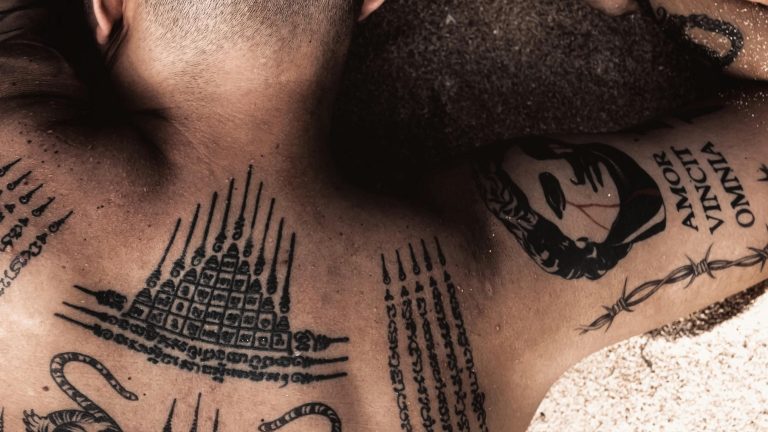
Getting a tattoo is one thing. Getting a tattoo removed is another entirely, and it is not the quick fix the before-and-after photos make it look like. It takes time, money, and more sessions than most people plan for. Tattoo removal is a medical process, done by professionals, and none of the methods that actually work are cheap. Everything else is wishful thinking. Here is what you are actually choosing between.
Laser Tattoo Removal
Laser tattoo removal is the standard. A high-intensity light source heats the tattooed skin and breaks the ink particles down small enough for your body to process and flush out. Most people need six to eight sessions to clear a tattoo, spaced several weeks apart to let the skin recover between treatments. Black ink on lighter skin responds best. Colors like green, yellow, and light blue are more stubborn and may not fully disappear no matter how many sessions you put in.
Cost runs from $200 to $500 per session. Insurance does not cover it. Expect to pay out of pocket and budget for more sessions than the initial estimate, because it almost always takes longer than the artist quotes you.
As for the pain: it feels like hot rubber bands snapping on a sunburn. Fast but sharp. Numbing cream and cooling devices help, and most clinics use them. It is not comfortable, but it is manageable.
Dermabrasion
Dermabrasion uses a medical grinding tool to remove the skin layers sitting over the tattoo. It works, but the margin for error is tight, and scarring is a real possibility if the procedure is not done by someone who knows what they are doing. It takes multiple sessions and has largely been displaced by laser treatment in most clinical settings. If a provider is pushing dermabrasion over laser without a clear reason, ask why.
Excision
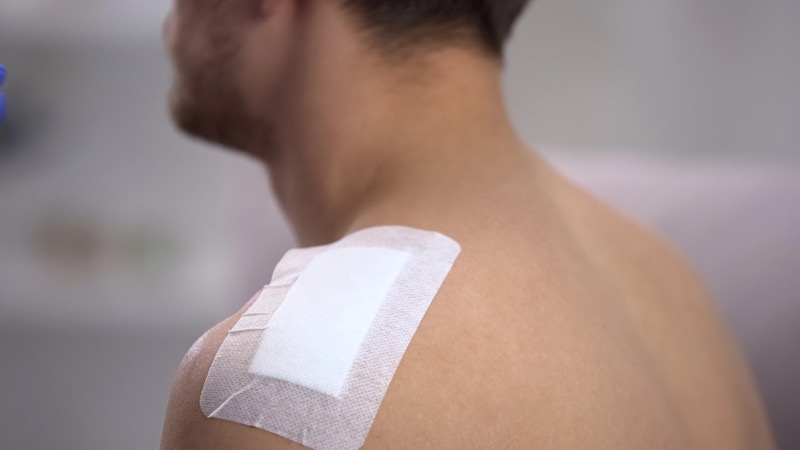
Excision is surgical removal of the tattooed skin. A surgeon cuts it out and closes the wound. It is fast and definitive, but it leaves a scar, and it is only practical for small tattoos where the surrounding skin can close cleanly. Larger pieces may require skin grafting, which adds recovery time and complexity. If your tattoo is small and in a discreet spot, excision can be worth discussing with a dermatologist. If it is a large piece on a visible placement, it is probably not your best option.
Cryotherapy
Cryotherapy treatments freeze the tattooed skin using liquid nitrogen, inducing controlled frostbite in the treatment area. Once frozen, the damaged skin is removed through dermabrasion. It takes multiple sessions, the risk of scarring and pigmentation changes is higher than with laser, and it is not widely used for tattoo removal in modern clinical practice. It is on this list because it exists, but laser is the better choice for almost every situation.
Intense Pulsed Light (IPL)
IPL delivers multiple wavelengths of light at once, where laser delivers a single wavelength. It is effective and generally reported as less painful than laser treatment. It is also more expensive. One significant limitation: IPL is not recommended for darker skin tones because of its lightening effect on skin pigmentation. If this applies to you, talk to a dermatologist before booking.
What About Home Remedies?

They do not work. Salabrasion, lemon juice, aloe vera mixed with yogurt, sand rubbing: none of these reach the dermis where tattoo ink actually sits. At best they irritate the skin surface. At worst they cause chemical burns, rashes, and permanent scarring. Tattoo removal creams fall into the same category. They may fade a tattoo slightly, but they cannot remove ink, and many of them carry a real risk of skin irritation, bleaching, and allergic reaction. Save your money.
Cover-Up Tattoos
If the goal is to get rid of a tattoo you hate rather than clear skin specifically, a cover-up is often faster, cheaper, and more satisfying than removal. A skilled artist can build new work over old ink in a way that makes the original disappear into the design. Faded ink is easier to cover, which is why running one or two laser sessions before booking a cover-up can give your artist a lot more to work with. If you are not attached to the idea of blank skin, talk to a good tattoo artist before committing to a full removal course.
The Honest Summary
Laser removal is the most effective option available and the right starting point for most people. It takes time, it costs real money, and full clearance is not guaranteed for every tattoo. Results depend on ink colors, ink depth, skin tone, and how old the tattoo is. Go in with accurate expectations, find a reputable dermatologist or licensed removal clinic, and follow aftercare instructions between sessions.
Frequently Asked Questions
Can a tattoo be completely removed? Some can. Black ink on lighter skin responds well to laser treatment and can disappear entirely with enough sessions. Multicolor tattoos and ink on darker skin tones are harder to fully clear and often fade to near-invisible rather than completely gone. What is achievable depends on the specific tattoo, and a good clinic will give you an honest assessment before you start.
How many laser tattoo removal sessions does it take? Most tattoos require six to eight sessions for significant results, spaced four to six weeks apart to allow the skin to heal between treatments. Stubborn colors, dense ink, or older work can push that number higher. Any clinic quoting you two or three sessions for a heavy piece is underselling the process.
Is laser tattoo removal painful? Yes. The sensation is a sharp, hot snap repeated across the tattoo area. Most people describe it as more uncomfortable than getting tattooed, though the sessions are shorter. Numbing cream applied beforehand and cooling devices used during the treatment make it significantly more manageable.
Is tattoo removal safe? Laser removal performed by a trained professional is generally safe. Temporary redness and swelling after sessions are normal. Scarring and skin texture changes are uncommon but possible, particularly if aftercare is neglected or sessions are booked too close together.
How much does tattoo removal cost? Sessions typically run between $200 and $500 depending on the size of the tattoo and the number of colors involved. A full removal course across six to eight sessions adds up fast. Insurance classifies it as cosmetic in almost every case, so plan to pay out of pocket.
Do tattoo removal creams actually work? No. Topical creams cannot penetrate to the dermis where tattoo ink is deposited. They may lighten the surface appearance slightly but will not remove the ink. Most dermatologists advise against them, particularly for formulas that use aggressive bleaching or acid-based ingredients.
Should I get laser removal or a cover-up tattoo? It depends on what you want. If the goal is clear skin, laser removal is the path. If you want new ink over an old piece you dislike, a cover-up from a skilled artist is faster and less expensive. A light round of laser treatment before the cover-up session gives the artist more flexibility and usually produces better results.