Most of the bad information floating around about tattoos is not new. The same five or six misconceptions have been recycled long enough that people treat them as fact. If you are planning your first piece or adding to a collection, cutting through the noise matters. Here is what actually holds up and what does not.
Tattoos Are Permanent
This is the one that needs the most unpacking. Ink is designed to last, and it does, but the idea that tattoo removal is impossible is outdated.
Laser tattoo removal has improved dramatically. The process breaks ink particles down into fragments small enough for the body to clear on its own. Results depend on the tattoo’s age, the colors used, and your skin type, and multiple sessions are standard. It is not cheap, and it is not instant, but it works. A consultation with a removal specialist will give you a realistic picture of what your specific piece would require.
Ink also fades naturally over years, especially in high-sun areas without SPF protection. Not gone, but changed.
Tattoos Are Always Painful
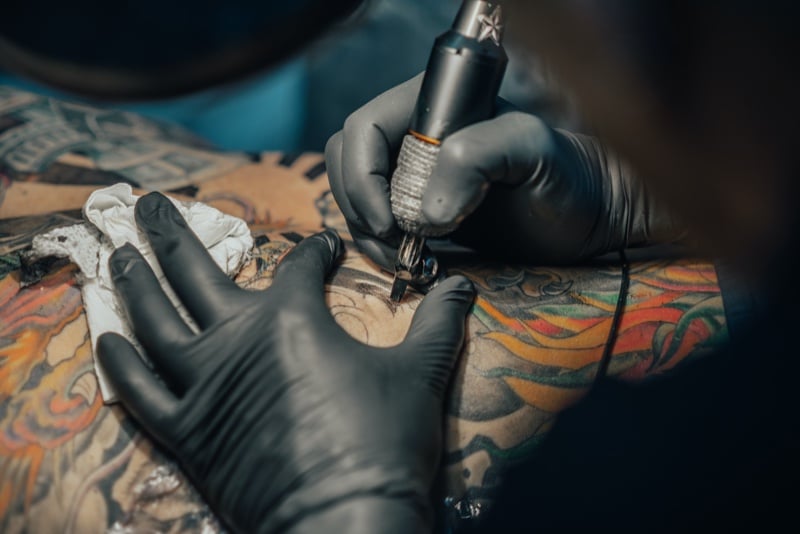
Tattoo pain is real. Anyone who tells you otherwise is either lying or has an unusually high threshold. But “painful” covers a lot of ground.
The needle punctures the dermis, the second layer of skin, in rapid, shallow passes. What that feels like depends on where on your body you are sitting. The outer forearm and outer thigh are manageable for most people. Spots with thin skin over bone, tight nerve concentrations, or minimal tissue are rougher. Neck tattoo pain sits in that category, along with the ankle, shin, and behind the ear. The ribs are their own conversation.
If needle discomfort is a concern, numbing cream applied 45 to 60 minutes before the session takes the edge off without affecting the artist’s ability to work. Ask your artist before you show up with it already on.
Tattoo Ink Causes Cancer
The relationship between tattoo ink and cancer is more complicated than a flat no. A 2025 study reported by the National Library of Medicine, drawing on the Danish Twin Tattoo Cohort, found tattooed individuals showed a higher hazard of skin cancer and lymphoma compared to non-tattooed twins. For tattoos larger than the palm of a hand, those hazard ratios were more pronounced. Researchers flagged ink migration into the bloodstream and lymph nodes as a likely mechanism, with chronic inflammation as a possible driver of abnormal cell growth.
This is one study and the research is ongoing. It does not establish that a tattoo leads to a cancer diagnosis. It does establish that blanket reassurance of zero risk is no longer accurate, and that size appears to matter.
What has not changed is the advice around ink quality. Low-grade or homemade inks carry risks beyond anything studied in professional settings. Knowing what your artist uses and sticking to reputable suppliers is the floor, not the ceiling, of what you should be asking before you sit down.
Tattoos Cannot Be Exposed to the Sun

A tattoo will not disintegrate in sunlight. It will fade faster without protection, but the relationship is gradual, not instant.
UV exposure accelerates the breakdown of ink pigments over time. This is especially relevant for color work and fine-line pieces, where detail loss shows up earlier. Sunscreen on healed tattoos slows that process. On a fresh piece, the skin is still healing and direct sun exposure is a genuine problem, not because of the tattoo itself but because sunburned healing skin is bad news. Keep new work covered or in the shade for the first few weeks.
Once healed, SPF 30 or higher before prolonged sun exposure is the standard practice. It is the simplest thing you can do to keep a piece looking sharp for longer.
Getting a Partner’s Name Tattooed Will End the Relationship
The “tattoo curse” persists because people remember the breakups and forget the couples who stayed together with matching ink for thirty years.
The honest advice is not to skip the tattoo. It is to have a clear read on where the relationship actually stands before you book. A name tattoo does not damage a relationship. Getting one three months into something unstable and then being surprised when it ends is a different problem.
Drinking Before a Tattoo Session Is Fine

This one is not a myth. It is true, and the artist will likely turn you away if they suspect you have been drinking.
Alcohol thins the blood. Thinner blood means more bleeding during the session, which makes the artist’s job harder and can affect how the ink settles into the skin. The result is a compromised piece that may need more touch-up work.
Aspirin has a similar effect. Avoid it for at least twelve hours before your appointment. Beyond the physical consequences, impaired judgment and needles are a combination that has produced a lot of regrettable decisions. Arrive sober, hydrated, and having eaten something.
Tattoos Are Expensive
Cost varies more than most people assume. A small, simple piece from a newer artist in a mid-market city might run under $100. A large custom back piece from a sought-after artist in Los Angeles or New York can run into thousands. The same design can cost very different amounts depending on where you live, who you book, and how complex the work is.
Where people get into trouble is shopping by price alone. A significantly cheaper quote often means less experience, lower-quality ink, or both. A tattoo that needs to be fixed or covered up costs more than getting it done right the first time. Set a realistic budget for what you want, research artists whose healed work you like, and have an honest conversation about what is achievable in your price range.
Frequently Asked Questions
Do tattoo myths affect how people care for their ink? Yes. Believing that sun exposure instantly ruins a tattoo can lead to excessive covering that is impractical long term. The reality is that consistent sunscreen use on healed tattoos is enough for most people. Misinformation about removal also stops some people from exploring it as a legitimate option.
How do you know if a tattoo artist uses safe ink? Ask directly. Reputable artists use professional-grade inks from established suppliers and are comfortable discussing what they use. If an artist cannot or will not answer that question, that is useful information.
Is laser tattoo removal painful compared to getting a tattoo? Most people describe laser removal as more intense than the original session, particularly in the first few passes. The sensation is often compared to a rubber band snapping against skin repeatedly. Sessions are shorter than a typical tattoo appointment, which helps. Numbing options are available at most removal clinics.
Should I avoid ibuprofen before a tattoo? Ibuprofen is a blood thinner and should be avoided before a session for the same reasons as alcohol and aspirin. Acetaminophen is a safer option if you need something for pain before your appointment. When in doubt, ask your artist.
Does color ink fade faster than black and grey? In most cases, yes. Lighter colors, particularly whites, yellows, and pastels, break down faster under UV exposure and with age. Black and grey tends to hold contrast longer, which is one reason it remains popular for detailed work. Color can still look sharp for years with proper sun protection and touch-ups when needed.