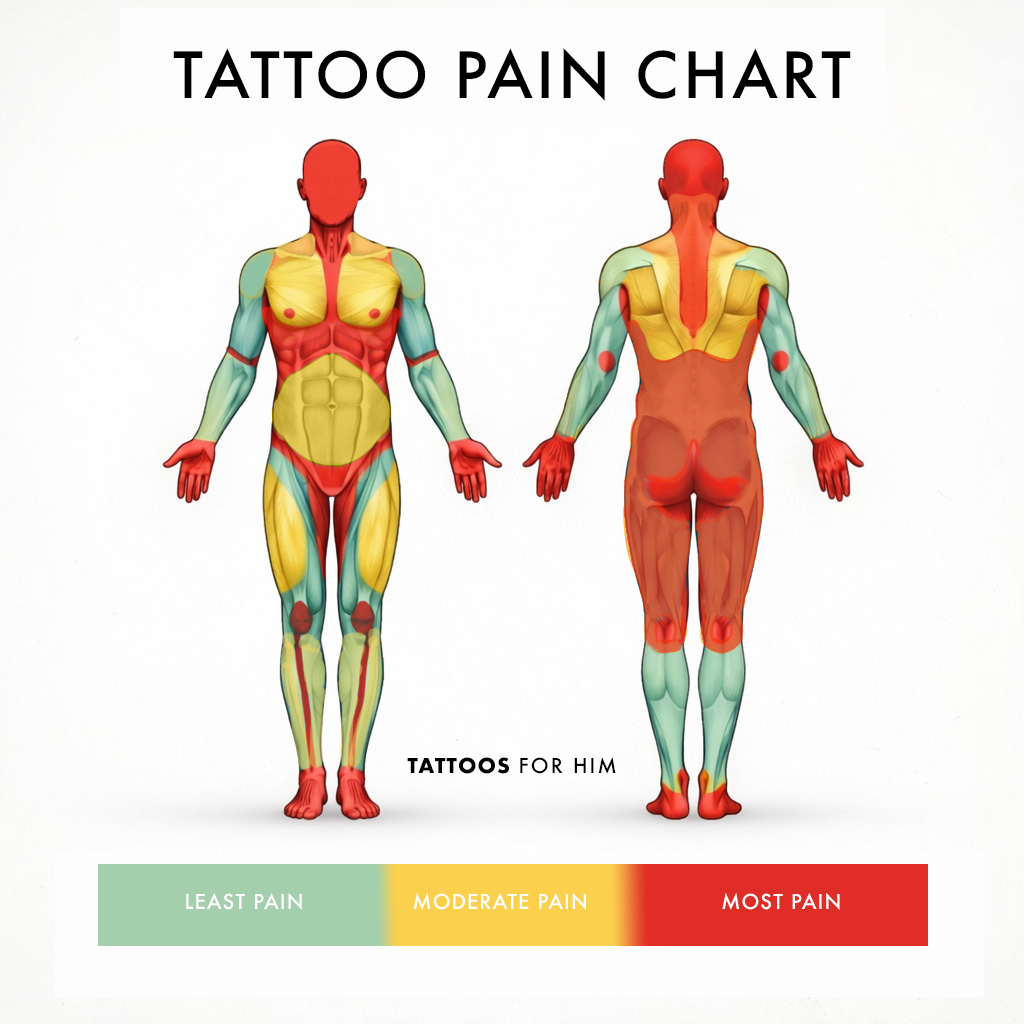
Every tattoo pain chart on the internet gives you a number and a color-coded body map. That is not how pain works. A “7 out of 10” on your ribs feels nothing like a “7 out of 10” on your inner elbow, and the guy who rated both probably has a different threshold than you do. The numbers are useless without context.
This tattoo pain chart skips the rating scale and tells you what each placement actually feels like, how long the rough parts last, and what you can do about it. Some spots are overblown. Some are worse than advertised. All of them are survivable.
What Determines How Much a Tattoo Hurts
Four things decide how a placement feels under the needle: skin thickness, nerve density, bone proximity, and fat padding. Spots with thick skin and decent fat (outer forearm, upper thigh) absorb the needle well and stay manageable for hours. Spots where skin sits directly on bone with minimal cushion (sternum, kneecap, top of the foot) send sharper, more electric signals that are harder to sit through.
Session length matters too. Most placements feel tolerable in the first 30 to 45 minutes while your adrenaline is up. After that, the endorphins taper and everything feels more raw. A two-hour session on your ribs is a different experience than a five-hour session on the same ribs. Your artist’s hand weight and needle configuration also factor in. Lining needles (tight groupings, single passes) feel sharper than shading needles (wider groupings, broader passes), which feel more like sustained heat.
Your own biology is the wildcard. Guys with more body fat tend to report less pain on fleshy spots. Sleep, hydration, and whether you ate before the session all shift the experience. None of this makes you tough or soft. It is just physiology.
Low Pain Placements
Outer Forearm
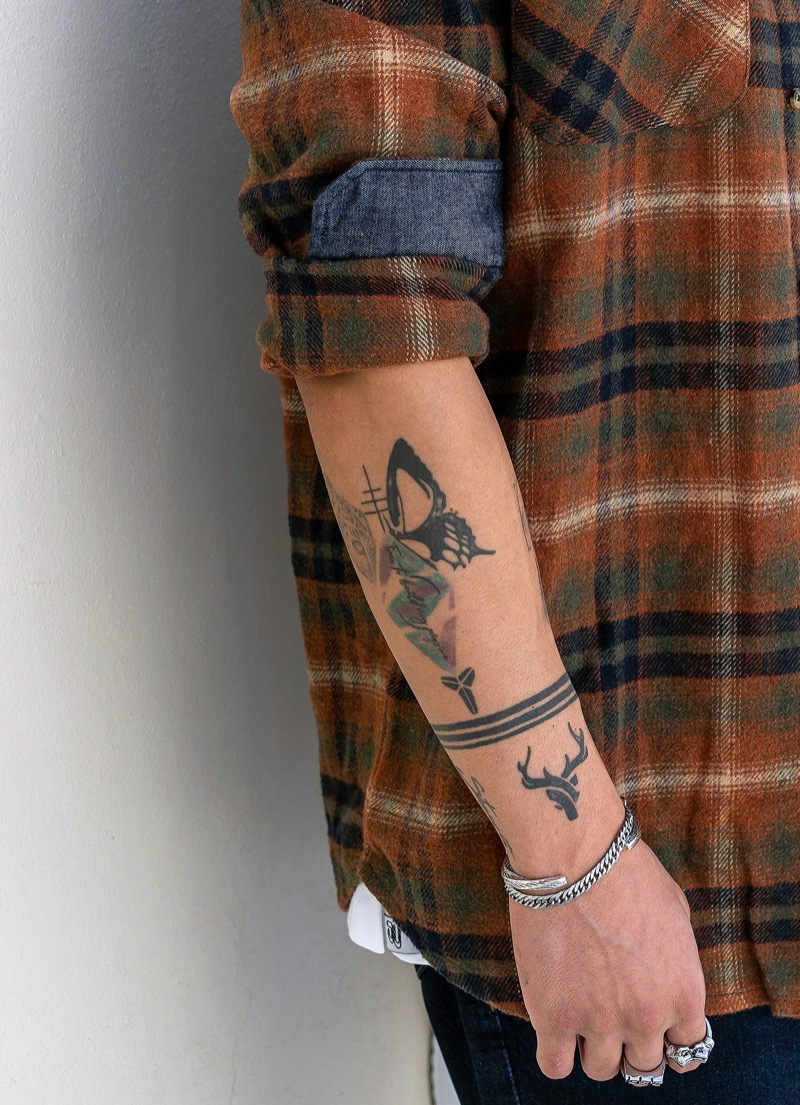
The outer forearm is about as easy as tattooing gets. The skin is thick, there is decent muscle underneath, and the surface is flat enough that your artist can work consistently. Most guys describe it as a persistent hot scratch, like a cat dragging a claw across sunburned skin. It stays at that level for most of the session. The area closer to the wrist picks up slightly as the skin thins, but nothing that changes the overall experience.
Upper Arm & Bicep
The outer bicep and upper arm have enough muscle and fat to cushion the needle well. The sensation is a warm vibration with occasional sharper lines when the needle passes over the edges of the deltoid. Most guys can sit for long sessions here. The inner bicep is a different story and belongs in a higher tier.
Calf
The back and outer calf sit on a thick layer of muscle. The feeling is a steady, tolerable buzz that most guys can sit through for hours. The area around the shin and ankle bone is where the calf placement gets sharper, but the meaty part of the calf is one of the easier spots on the body.
Inner Forearm
The inner forearm is a step up from the outer side. The skin is thinner and the nerve endings are closer to the surface. The sensation shifts from a hot scratch to something more stinging, like a sharp pen being dragged across your skin with pressure. It is not a rough sit, but you will notice the difference from the outer forearm immediately. Lines along the center track of the inner forearm are the most sensitive. The sides are more forgiving.
Shoulder & Deltoid
The cap of the shoulder sits on dense muscle, so the needle hits feel cushioned. The sensation is a deep, thudding vibration that most guys handle well. It starts to bite more when the needle moves toward the collarbone or the back of the shoulder where the skin thins. Extended sessions over the bony ridge where the shoulder meets the neck can get sharp.
Outer Shoulder Blade
Similar to the upper back, the outer shoulder blade has muscle underneath and sits at a moderate level. The bone underneath makes certain angles sharper than others, and the area along the spine edge of the scapula is more sensitive. The flat, fleshy parts of the blade are straightforward.
Moderate Pain Placements
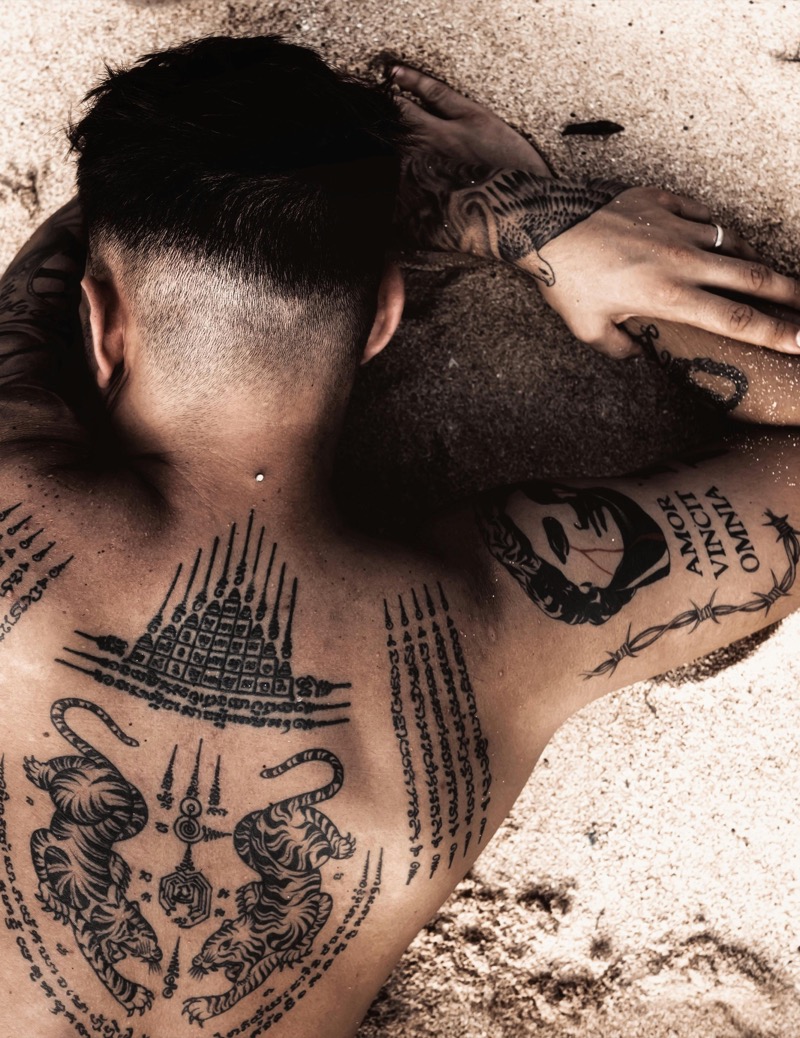
Upper Back
The upper back between the shoulder blades sits on a layer of muscle with moderate skin thickness. Most guys expect this to be easy and find it a step above the arms and calves. The sensation is a firm, consistent buzz with occasional sharper moments when the needle crosses over the ridge of the shoulder blade or closer to the spine. It is manageable for long sessions, but it is not the cakewalk some pain charts suggest.
Outer Thigh
The quad area has some of the thickest skin and most muscle mass on the body, and the sensation is more pressure than pain. Most guys describe it as a dull, buzzing vibration that is more annoying than anything else. You can hold a conversation through most of it. The area close to the inner thigh is where it picks up, and the front of the knee is a different experience entirely. The outer thigh is a solid choice for a first tattoo or a long session.
Stomach & Abs
The stomach varies more than almost any other placement depending on your body composition. Guys with a solid layer of fat or muscle over the abs will feel a moderate, buzzing pressure. Leaner guys will feel it more because the skin sits closer to the abdominal wall and the needle has less cushion. The area around the navel and the lower belly closer to the waistline is the most sensitive part. The sides of the stomach blend into rib territory and ramp up fast.
Chest (Pec Area)
The fleshy part of the pec muscle is moderate. There is enough tissue between the needle and the bone to keep it manageable. The sensation is a firm, scratchy pressure. It escalates toward the center of the chest (approaching the sternum) and toward the collarbone, where the fat layer disappears and the bone is right there. A chest tattoo that stays on the muscle of the pec is a different experience than one that crosses onto the sternum.
High Pain Placements
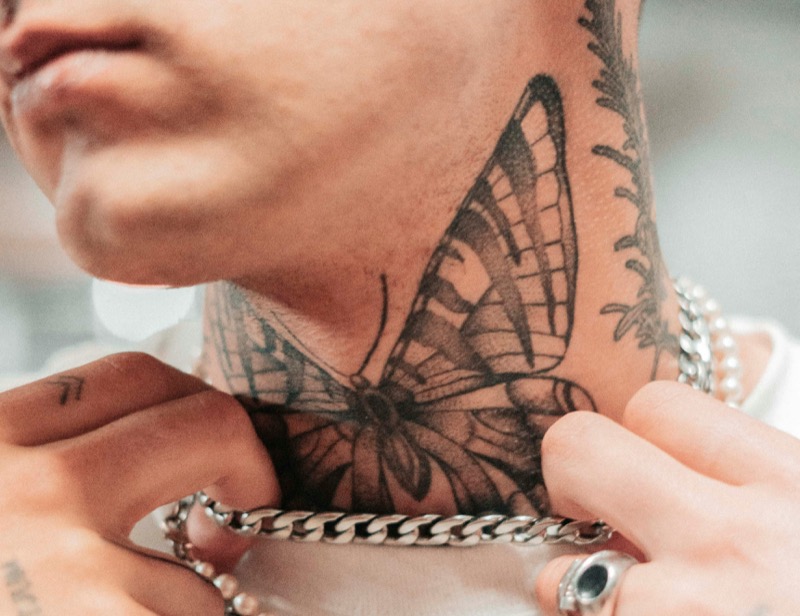
Neck
The neck is one of the more intense placements for men. The skin is thin, the nerve endings are dense, and the proximity to the throat and spine creates a sensation that your body instinctively reacts to. Side neck work feels like a sharp, vibrating sting. The back of the neck, closer to the spine, sends electric jolts. Front of the throat is rare and among the most painful spots on the body. For a deeper look at neck tattoo pain, we have a full breakdown.
Lower Back
The lower back has decent padding for most body types. The muscles on either side of the spine absorb the needle well. The center line (directly over the spine) is a different situation and belongs in the high-pain category, but the flanks of the lower back are a moderate sit. Extended sessions here cause a building ache from the constant vibration, more than sharp pain.
Ribs
The ribs are as rough as the reputation suggests, and there is no way to soften it. The skin is thin, there is almost no fat, and the bone is right there. Every line feels like a hot blade scraping directly on bone. The sensation also radiates outward because the intercostal nerves between the ribs carry the signal across your side. Breathing makes the skin move, which adds another layer of discomfort because the needle is working on a surface that will not stay still. Short sessions help. If you can break a rib piece into two-hour blocks, you will recover better between sittings.
Spine
The spine combines thin skin, dense nerve clusters, and prominent bone into one of the more intense placements. The feeling is electric and buzzing, different from the scraping sensation of the ribs. It tends to radiate up and down the spinal column, so you feel it beyond the spot being tattooed. Guys who have both rib and spine work tend to split on which is worse. The spine is sharper but shorter in duration per pass. The ribs are duller but more relentless.
Inner Bicep
The inner bicep surprises a lot of guys because the outer bicep is so manageable. The skin on the inside of the arm is thinner and packed with nerves. The sensation is a sharp, stinging burn that flares with every pass. It is also an awkward position to hold, which makes longer sessions more taxing. Your arm has to stay lifted and rotated, and the combination of pain and position fatigue wears you down faster.
Inner Thigh
The inner thigh is a significant jump from the outer thigh. The skin is thinner, the nerve endings are denser, and the area is close to lymph nodes and major blood vessels. The sensation is a hot, stinging burn that most guys find harder to sit through than they expected. The higher you go toward the groin, the worse it gets. The position is also uncomfortable because you have to hold your leg open for extended periods, and the combination of pain and awkward posture makes long sessions tough.
Knee Ditch & Inner Elbow
The soft skin on the back of the knee and the inner elbow crease (the “ditch”) is thin, nerve-rich, and sensitive. The feeling is a sharp, electric sting that makes your limb want to pull away reflexively. These areas are also hard for artists to work on because the skin moves and folds. Sessions here tend to be shorter by necessity.
Severe Pain Placements
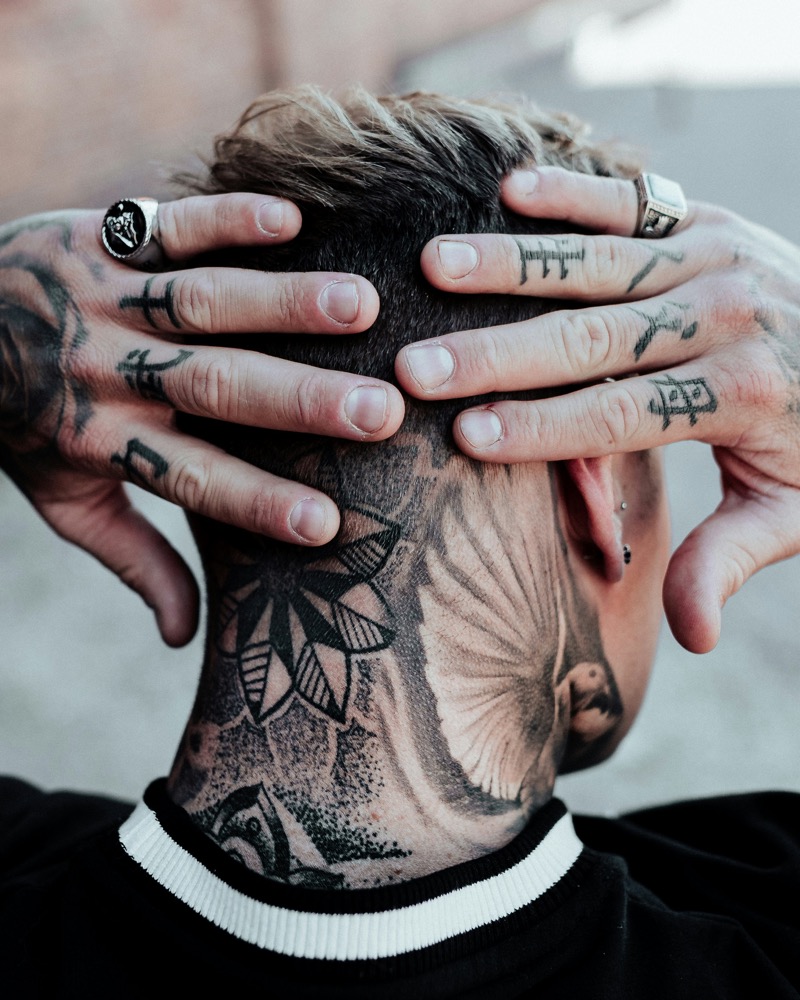
Head & Scalp
The head has almost no fat between the skin and the skull. Every pass of the needle vibrates directly through the bone, and you feel it in your teeth, your jaw, and behind your eyes. The sensation is a grinding, rattling pressure that resonates through your entire skull. The temples and the area behind the ears are especially intense. Head tattoos also require shaving the area and have a complicated healing process because of hair regrowth and sun exposure.
Shins
The shin is a thin layer of skin stretched over bone with almost no muscle or fat padding. The needle sensation is sharp, scraping, and constant, similar to the top of the foot. The front of the shin is the worst part because there is nothing between the skin and the tibia. The sides of the shin, where the calf muscle begins, offer some relief. Most guys who have calf tattoos that wrap around to the shin notice the difference immediately when the needle crosses onto the bone.
Groin & Hip Crease
The groin and hip crease area is thin-skinned, nerve-dense, and close to lymph nodes. The sensation is a sharp, burning sting that your body instinctively wants to pull away from. It is one of the more uncomfortable sits because of both the pain level and the placement itself. The hip bone (iliac crest) adds a grinding element where the skin stretches tight over the bone.
Hands & Fingers
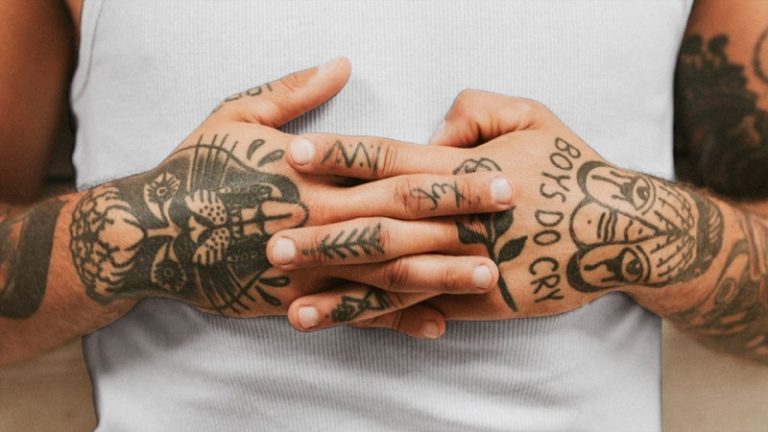
Hands combine thin skin, minimal fat, dense nerve endings, and constant bone proximity into one of the toughest sits in tattooing. The back of the hand has a scraping, vibrating intensity that hits different from fleshy placements. Fingers are worse because the skin is even thinner and the needle is working millimeters from bone on every pass. The webbing between fingers is especially raw. Beyond pain, hand tattoos also fade faster than almost any other placement because of sun exposure, friction, and skin cell turnover, which means you will likely need touch-ups.
Feet
The top of the foot is a thin layer of skin stretched over bone and tendons. The sensation is sharp, scraping, and relentless. The sole of the foot is packed with nerve endings and is one of the most painful spots on the body. Few artists recommend foot tattoos for first-timers, and the healing process is complicated by the fact that you have to walk on it.
Sternum
The sternum sits directly under some of the thinnest skin on the torso, with zero fat and dense bone underneath. The sensation is a deep, grinding vibration that resonates through the chest. It is one of the few placements where guys commonly tap out and need to finish in a second session. The area where the ribs meet the sternum is the peak of intensity.
Armpit
The armpit rarely comes up in basic pain charts because few people tattoo it. For those who do, it ranks among the worst. The skin is extremely thin, the nerve density is high, and the lymph nodes underneath make the whole area reactive. The sensation is a hot, searing sting that most guys describe as their hardest sit.
Kneecap & Elbow
Both are bone with a thin cover of skin and almost no cushion. The kneecap produces a rattling, vibrating pain that pulses through the leg. The elbow, especially the point and the bony ridge, is sharp and electric. Both spots also heal slowly because the skin stretches and flexes constantly with movement.
How to Handle Pain During a Session
Preparation starts the night before. Get a full night of sleep, eat a real meal one to two hours before the appointment, and drink water throughout the day. Showing up tired, hungry, or dehydrated makes every placement feel worse than it should.
During the session, steady breathing helps more than anything else. Slow inhales through the nose and controlled exhales keep your nervous system from ramping up. When the pain spikes, the instinct is to hold your breath or tense up, and both of those make it worse. Consciously relaxing your muscles, especially in the area being tattooed, gives your artist a better surface and reduces the stinging feedback.
Ask for breaks when you need them. A five-minute pause to stand, stretch, drink water, and reset your head makes the next hour more manageable. No experienced artist will judge you for it. Most will suggest it themselves during long sessions.
Numbing cream is an option. Products with lidocaine work on the surface layer of skin and take the edge off for the first 45 minutes to an hour. They are best for line work and less effective once the artist moves to shading, which pushes the needle deeper. Talk to your artist before applying anything because some creams change the skin texture and can affect ink absorption. It is a tool, not a cheat code. Use it if it helps. Skip it if you want the full experience.
If you are booking a placement from the high or severe tier, consider shorter sessions of two to three hours instead of marathon sittings. Your body recovers between sessions, and the second sitting is often easier than powering through five straight hours.
Proper aftercare starts the moment the session ends, so have your supplies ready before you sit down.
Frequently Asked Questions
What is the least painful spot for a tattoo?
The outer forearm and the outer upper arm are the most consistently comfortable placements for men. Both have thick skin, solid muscle underneath, and enough fat padding to absorb the needle. Most guys describe the sensation as a warm, persistent scratch that stays manageable for multi-hour sessions. The calf is close behind.
How bad do rib tattoos hurt compared to arm tattoos?
Rib tattoos are in a different category than arm tattoos. The outer arm is one of the easiest placements on the body, while the ribs involve thin skin stretched directly over bone with almost no cushion. Rib work feels like a hot blade scraping bone, and the sensation radiates across your side because of the intercostal nerves running between the ribs. Most guys who have both say the ribs are significantly more intense.
Do tattoos hurt more on bone or muscle?
Bone is almost always more painful than muscle. Spots where skin sits directly on bone (sternum, kneecap, elbow, spine, shins, top of the foot) produce sharper, more electric pain because there is no tissue to absorb the impact. Muscle-dense areas (upper arm, calf) cushion the needle and convert the sensation into a duller, more tolerable buzz. The exception is areas with thin skin over muscle that also have dense nerve endings, like the inner bicep and inner thigh.
How can you reduce tattoo pain?
Sleep well the night before, eat a full meal one to two hours before your session, and stay hydrated. During the session, breathe steadily, relax the muscles around the area being tattooed, and take breaks when you need them. Lidocaine-based numbing cream helps for the first hour but wears off and works better for line work than shading. For high-pain placements, booking shorter sessions of two to three hours instead of marathon sittings makes a real difference.
Does tattoo pain get easier after your first one?
Your pain tolerance does not change much, but your ability to manage the experience does. First-timers deal with anxiety on top of the physical sensation, and that combination makes everything feel amplified. By your second or third tattoo, you know what to expect, your breathing is better, and you stop tensing up. The pain itself is the same. Your relationship with it shifts.
Where is the worst place to get a tattoo for pain?
The sternum, armpit, and kneecap are consistently reported as the most painful placements. The sternum combines thin skin, zero fat, and dense bone into a grinding vibration that resonates through the chest. The armpit has extremely thin skin and high nerve density. The kneecap sends a rattling pulse through the entire leg. The head, shins, and groin are in the same tier. All are spots where experienced collectors still describe the sit as rough.