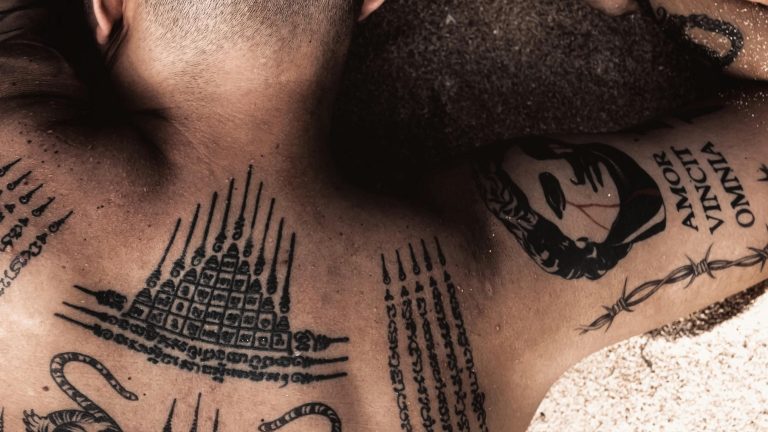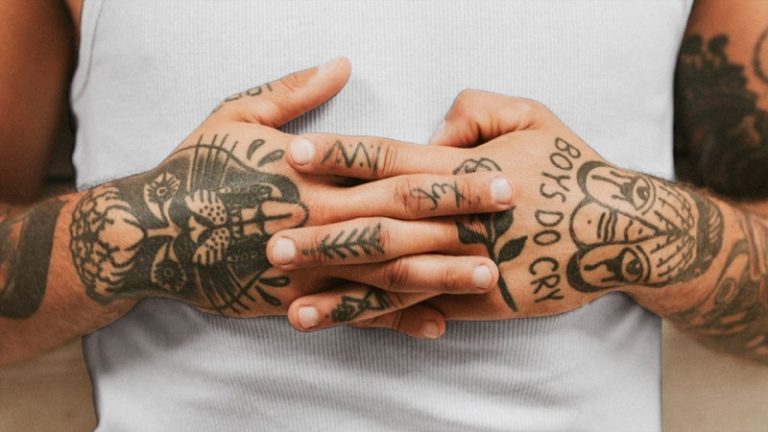
Most guys spend more time picking a pair of shoes than they do thinking through their first tattoo. The shoes wear out. The tattoo does not. Knowing how to choose a tattoo means thinking past the design you like today and asking whether you will still respect it in ten years, whether the artist you booked can actually execute it, and whether the placement you chose makes sense for how you live.
None of this is complicated. But it does require slowing down before you book a session.
Pick a Design That Has Something Behind It
A tattoo you got because it looked cool in someone else’s Instagram feed is not going to feel the same as one that means something to you. That does not mean every piece needs a story you could explain at a dinner table. It means the design should connect to something real: a place, a period, a person, an interest you have had long enough to know it is not a phase.
The other thing worth knowing before you commit is scale. Thin fine-line work looks sharp fresh out of the session. Over time, on most skin types, fine lines spread and lose definition. A bold design with clean outlines and solid fills holds its shape for decades. That is not a reason to avoid fine-line work entirely. It is a reason to ask your artist how the design will look in fifteen years, not just on day two.
If you cannot articulate why you want the design, give it more time.
Match the Style to What You Actually Like

Tattoo styles are not interchangeable. Realism requires an artist who can handle depth and shadow, and it ages differently than traditional work. Traditional and neo-traditional use clean black outlines with controlled color fills, and they hold up well over time because of how the ink is laid. Minimalism and fine-line work look clean in the short term but require touch-ups more frequently on high-movement areas.
Spend time looking at healed tattoos in whatever style you are considering. Fresh tattoos always look sharp. A healed traditional piece from fifteen years ago tells you far more about whether that style is right for you.
Best for longevity: Traditional, neo-traditional, blackwork, and Japanese irezumi styles hold up the longest due to bold linework and saturated fills.
Think About Color Before You Commit
Black holds up the longest on every skin tone. It fades more slowly, stays legible as the skin ages, and is easier to touch up. Color work can look exceptional but requires more maintenance, and certain pigments fade faster than others. Red and yellow tend to shift more over time than blues and greens.
Skin tone matters here too. Lighter pigments show up differently on darker skin, and your artist should be able to tell you exactly how the colors you want will translate. If they cannot give you a direct answer, that is useful information about whether they are the right artist for the job.
How to Find a Good Tattoo Artist
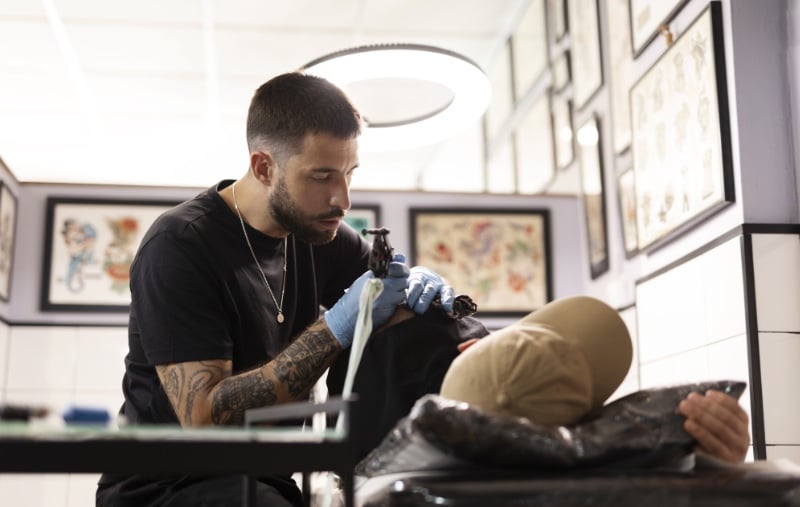
The artist is the decision. Everything else feeds into it.
Start with portfolios, and look at healed work specifically. A portfolio full of fresh tattoos tells you almost nothing, because everything looks clean straight out of the session. You want to see how the artist’s work holds up over time. Look at line consistency, color saturation, shading transitions, and whether the design has aged with its character intact.
Match the artist to the style. An artist who specializes in realism is probably not your first call for a traditional American piece. Most artists are honest about what they do well. If you sense hesitation about a style during the consultation, trust it.
One of the most persistent tattoo myths around artist selection is that any licensed shop is fine. Licensing covers sanitation minimums, not skill or style fit. Ask about their sterilization process before you book. New needles per session, autoclaved equipment, single-use ink caps. If a shop is not transparent about this, walk away.
How to Plan Tattoo Placement
Where you put a tattoo affects visibility, pain, healing time, how it ages, and how it interacts with your job and wardrobe. Think through all of it.
High-movement areas like hands, fingers, and feet fade faster because the skin there turns over more quickly and flexes constantly. Inner bicep, chest, and thigh tend to hold ink well and age cleanly. Neck and face are visible in every professional and social context. That is not a disqualifier. It is something to know before the needle touches skin.
Pain varies by placement in ways that pain charts only partially capture. The ribs are rough, not in an abstract sense but in a “each pass of the needle hits a nerve that runs straight through your midsection” sense. The shin and the ditch of the elbow are similarly unpleasant. Fleshy areas like the outer arm, calf, and thigh are manageable for most people, even over long sessions.
Think about how a tattoo in a given spot will look as the body changes over time. An upper arm piece holds its shape relatively well. A stomach piece will shift more, especially if your weight fluctuates.
Aftercare Is Where People Get Lazy and Pay for It

Your artist will give you specific instructions for tattoo aftercare, and those are the ones to follow. The general principles hold across most methods: keep it clean, keep it moisturized, stay out of the sun, and do not pick at the healing skin.
The first two weeks are where most problems start. Over-wrapping causes moisture buildup. Skipping moisturizer causes the surface to dry out and crack. Picking at peeling skin pulls out ink and creates uneven patches that will need a touch-up, or worse, leave a soft scar in the design.
Sun exposure is the long-term enemy. Once the tattoo is fully healed, sunscreen over the area becomes part of the routine if you want the color and lines to stay sharp for years. A tattoo that gets heavy sun exposure without protection will look faded within a few years. One that gets protected will still look clean a decade later.
Products with petroleum jelly are generally too occlusive during healing and can pull ink. Fragrance-free lotions with shea butter or minimal ingredients work better. Ask your artist what they recommend for the specific style and placement you have.
Frequently Asked Questions
How do I choose a tattoo that I won’t regret? Give the design time before you book. If you have been thinking about a specific idea for six months or longer and it still feels right, that is a reasonable signal to move forward. Connect the design to something real in your life rather than choosing based purely on what is trending. A piece tied to a person, place, or period you care about holds up differently than one picked from a flash sheet.
What tattoo should I get if I don’t know where to start? Start with placement and scale rather than the design itself. Decide how visible you want the tattoo to be, how large an area you want to cover, and what style you are drawn to. Once those parameters are set, the design options narrow considerably, and it becomes easier to work with an artist toward something specific.
How do I find a good tattoo artist? Search for artists who specialize in the style you want and look at their healed work, not just fresh pieces. Read reviews, visit the shop before booking if possible, and do a consultation before committing. A good artist will tell you honestly if your design needs to be adjusted for the placement you want or if the scale will not hold the detail you are expecting.
How do I plan tattoo placement? Consider visibility, pain level, how the area ages, and how it interacts with your wardrobe and profession. Low-movement areas with thicker skin, like the outer arm, chest, and calf, hold ink the longest and are generally easier to heal. High-movement areas like hands and feet fade faster and may need touch-ups sooner. Your artist can walk you through what to expect for a specific spot before you commit.
What is the best tattoo style for longevity? Traditional American, neo-traditional, Japanese irezumi, and bold blackwork hold up the longest because they rely on thick outlines and saturated fills. Fine-line and minimalist work can age well in protected placements but tend to soften and require touch-ups more frequently, particularly on high-movement areas. Ask your artist to show you healed examples of whatever style you are considering.