The forearm is where most guys start, and there is a reason for that. It is flat, visible, and forgiving enough for almost any style. You can show it off in a T-shirt or cover it with a long sleeve, and the pain sits in a range that most first-timers handle fine. It is the most practical real estate on your body for a tattoo, and it also happens to be one of the best looking.
But “get a forearm tattoo” is where the easy decisions end. Inner or outer forearm changes everything about how the tattoo looks. The style you pick determines how it ages. The size you choose sets the tone for what comes next if you decide to keep going. This is what you need to know before you book.
Inner Forearm vs Outer Forearm
This is the first decision your artist will ask about, and it matters more than most guys realize.
The inner forearm faces you. It is the side you see when you flip your arm over, and it is the side most people see during conversation. The skin here is softer and slightly thinner, which means finer detail holds well and line work stays sharp. Pain on the inner forearm is moderate, sitting in the low-to-mid range on the tattoo pain chart. Most guys describe it as a consistent hot scratch that intensifies near the wrist and the crease of the elbow. The inner forearm is one of the best spots on the body for script, fine line work, and single standalone pieces because the flat surface gives your artist a clean canvas.
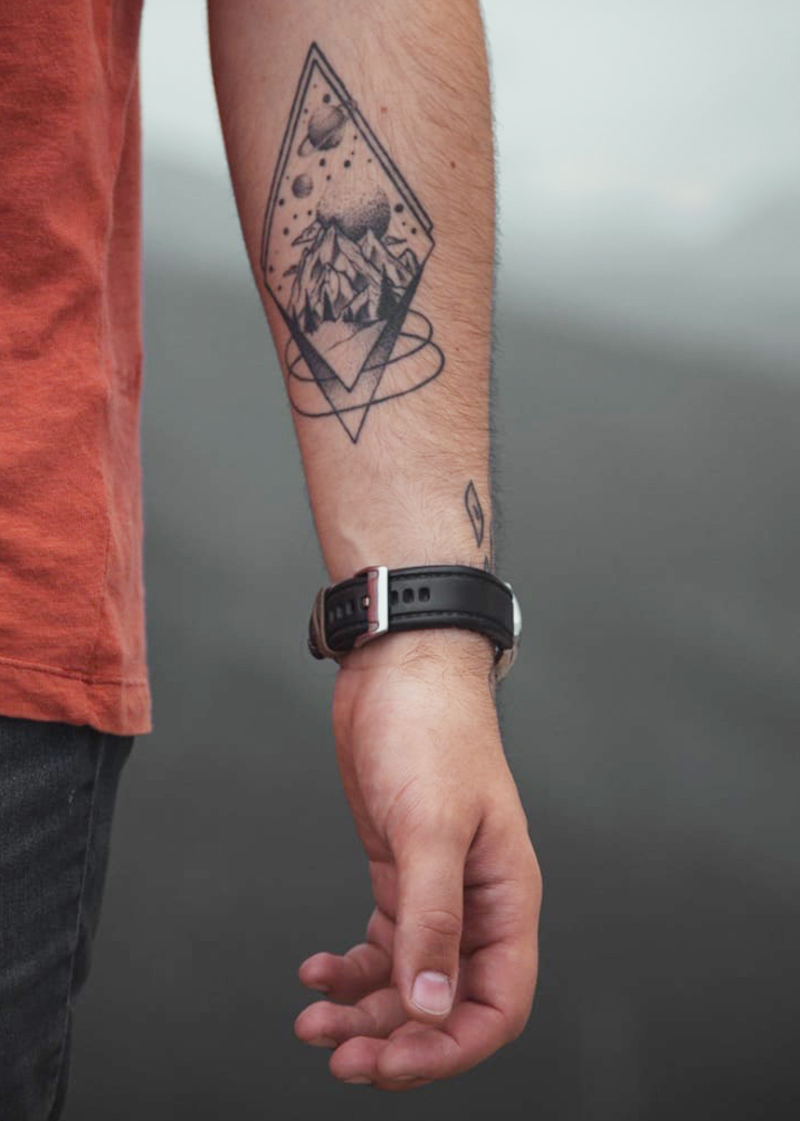
The outer forearm faces everyone else. It is the side visible when your arms hang at your sides, which makes it the more publicly visible placement. The skin here is thicker and tougher, which means bolder styles hold up well but very fine detail can spread slightly over time. Pain is generally lower on the outer forearm because of that thicker skin, though the area near the elbow picks up. The outer forearm favors traditional work, blackwork, and designs with strong outlines because those styles match the natural visibility of the placement.
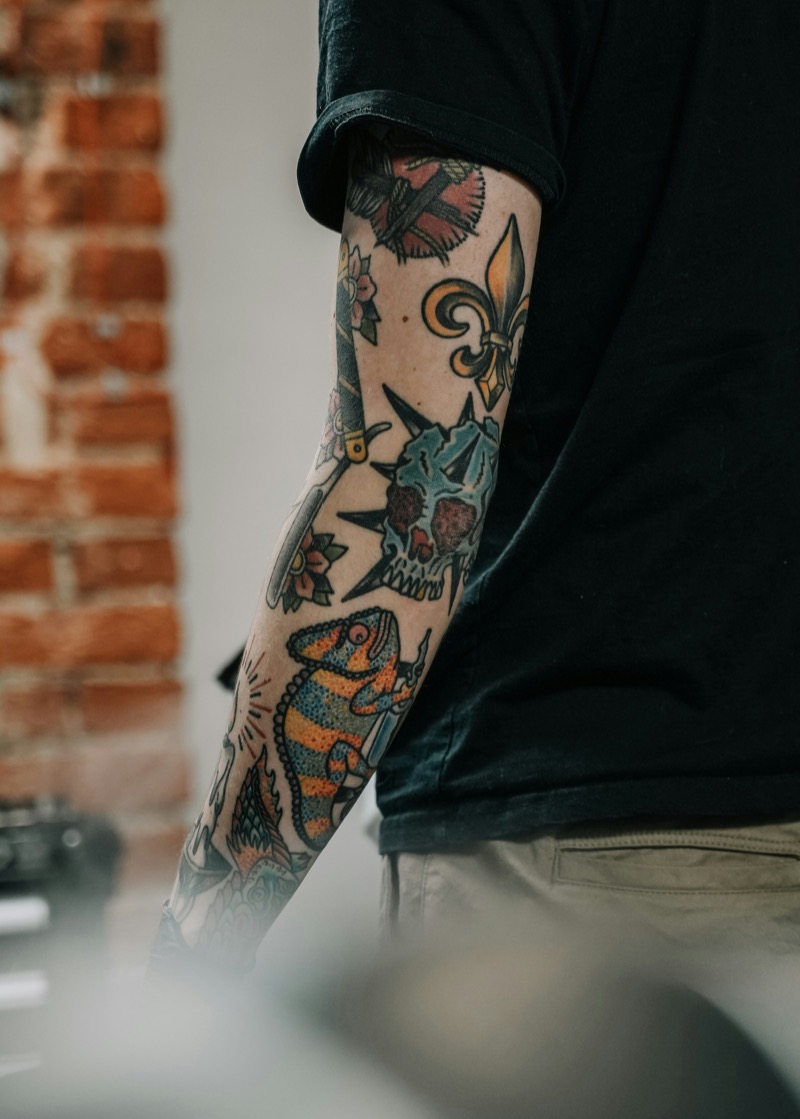
If you are planning a single piece, the inner forearm tends to feel more personal and the outer forearm tends to come across louder. If you are planning a sleeve, both sides get covered anyway, but knowing which side anchors your design helps your artist plan the composition.
Best Tattoo Styles for the Forearm
The forearm works for almost every tattoo style, which is part of why it is so popular. Some styles work better here than anywhere else on the body.
Fine Line
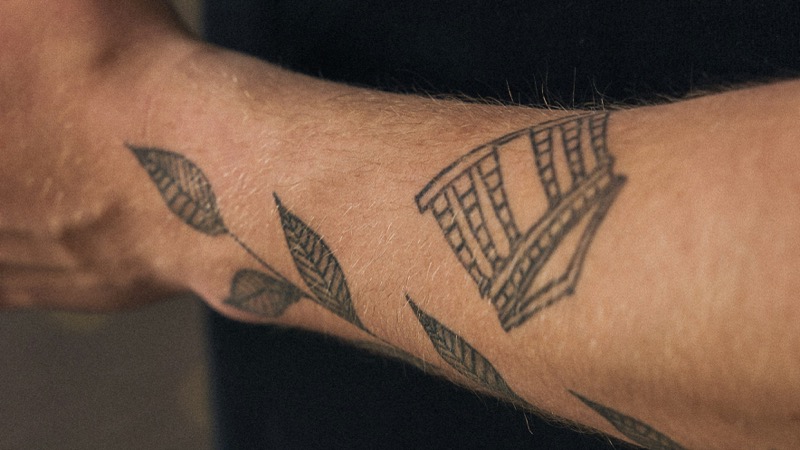
Fine line tattoos use single-needle or small-gauge needles to create delicate, detailed work with thin outlines and minimal shading. The inner forearm is one of the best placements for this style because the flat skin holds thin lines cleanly. Fine line ages well on the forearm as long as you protect it from sun exposure, which is the main factor that blurs thin ink over time.
Traditional and Neo-Traditional
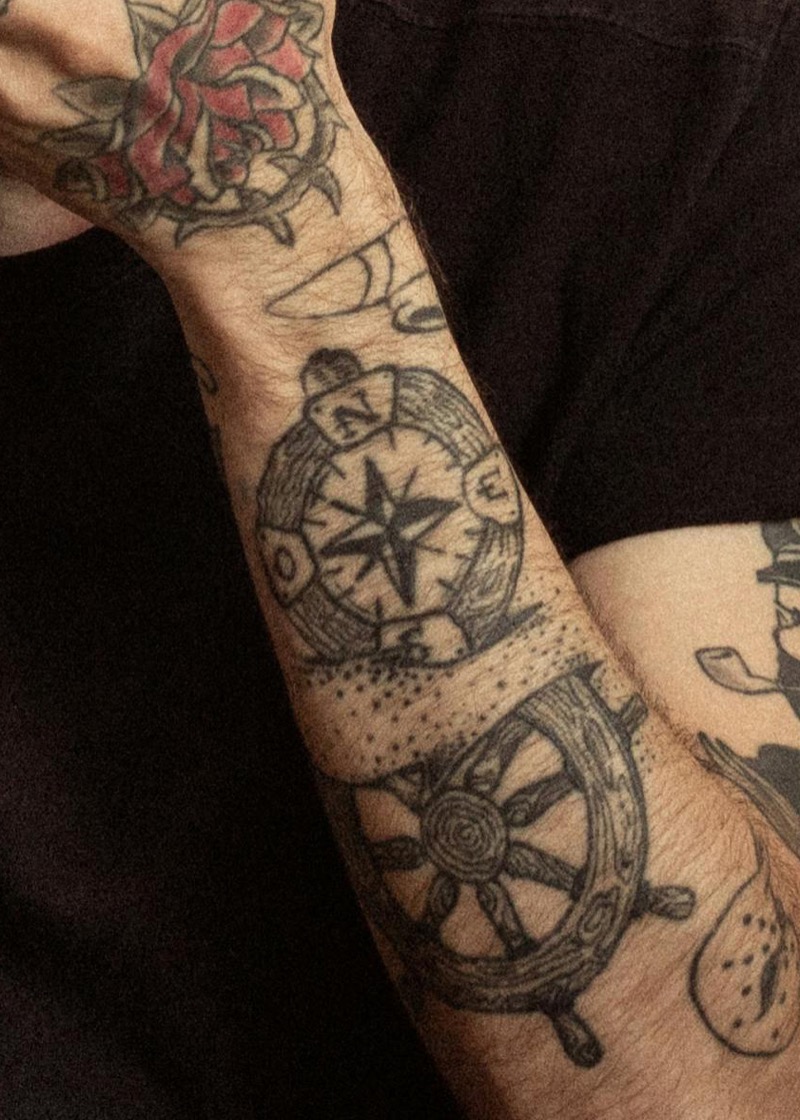
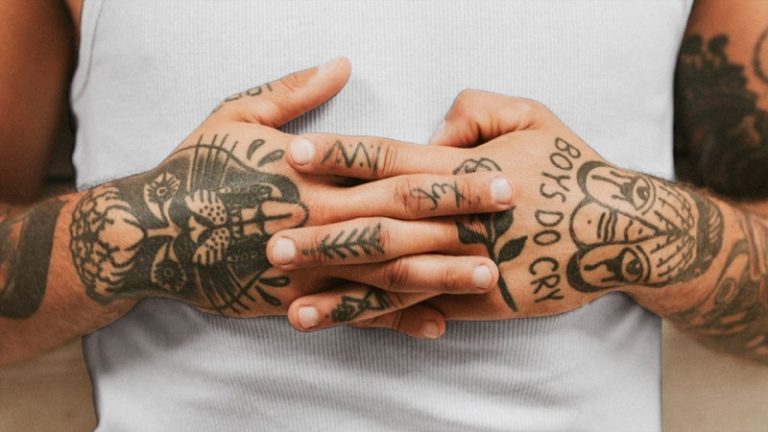
Bold outlines, solid color fills, and iconic imagery make traditional work one of the strongest fits for the forearm. The style was designed to be visible at a distance, and the outer forearm gives it the visibility it needs. Neo-traditional adds more shading depth and a wider color palette while keeping the heavy outlines that make this style age so well. If you want a tattoo that looks as strong in 20 years as it does the day it heals, traditional on the forearm is a reliable bet.
Blackwork
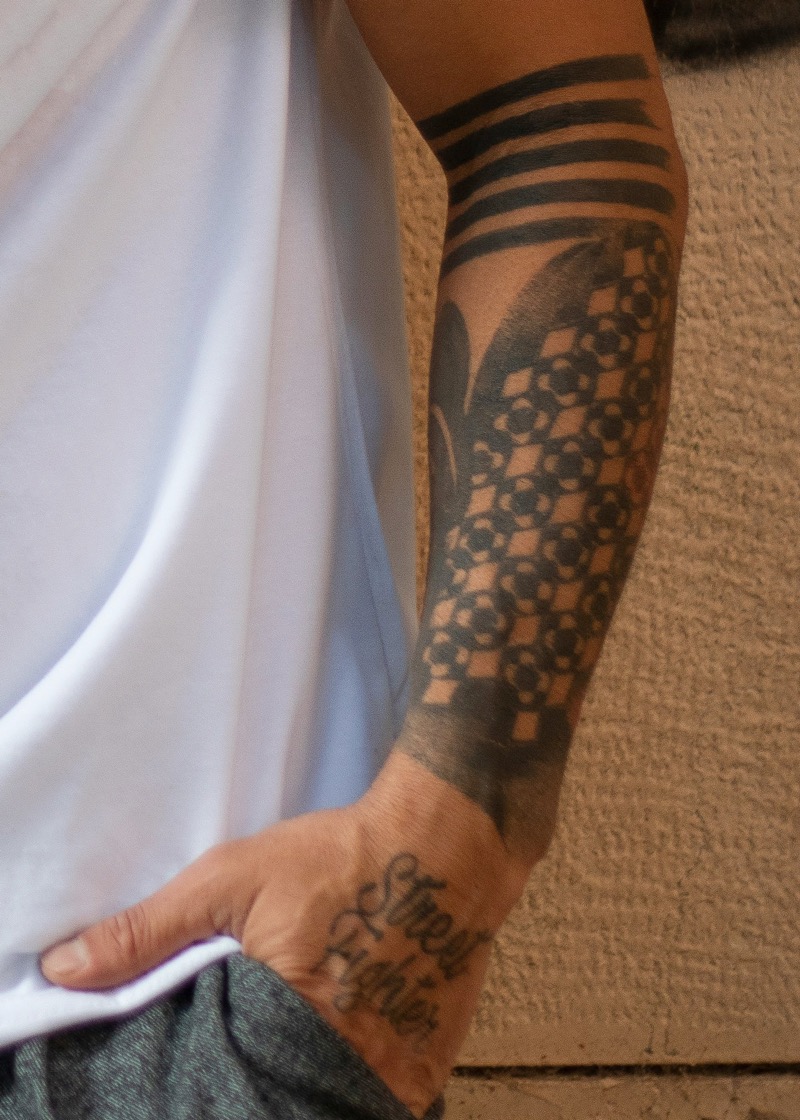
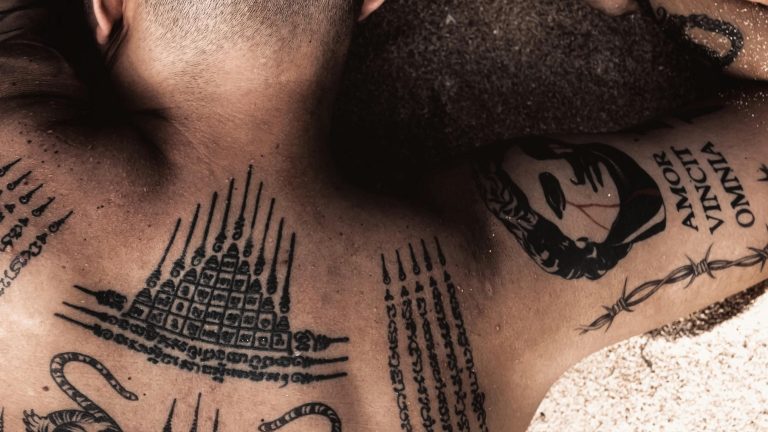
Blackwork covers everything from heavy solid black fills to intricate patterns, dotwork, and ornamental designs. The forearm handles blackwork well because the skin takes solid saturation consistently on both the inner and outer sides. Large-scale blackwork on the forearm makes a visual impact that few other styles match, and it ages cleanly because there is no color to fade or shift.
Realism
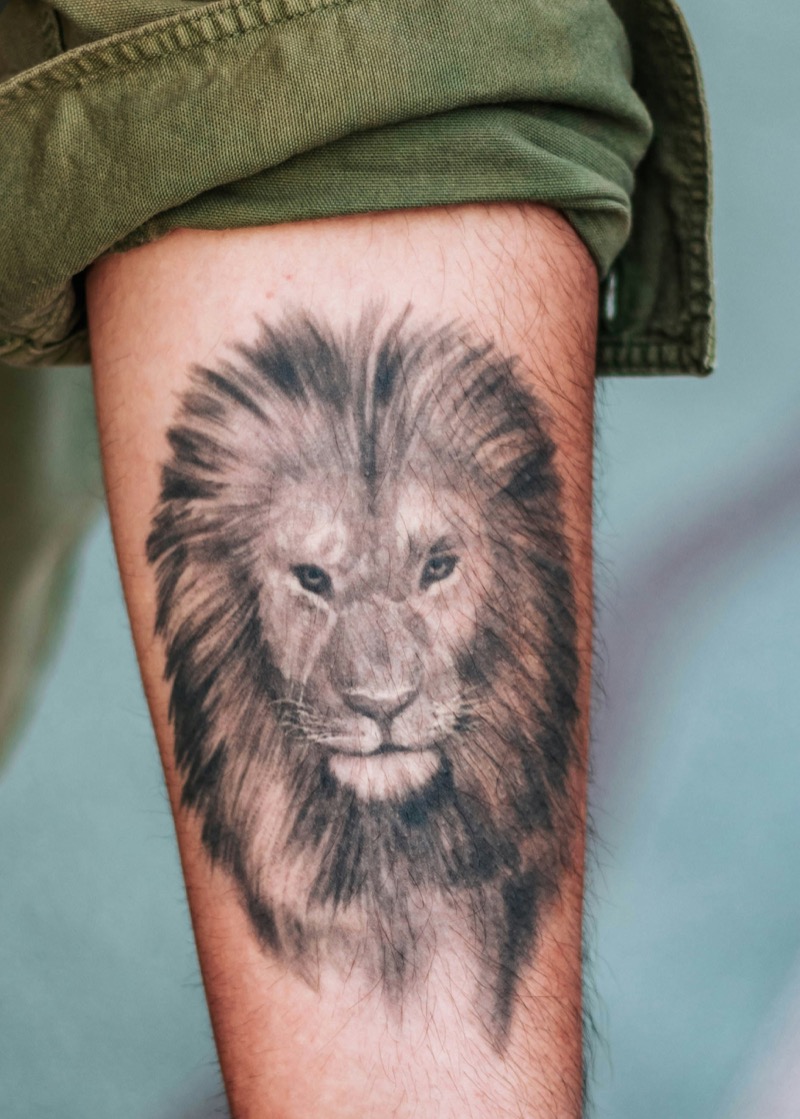
Realistic portraits, animals, and nature scenes require a skilled artist and a flat surface with enough room to work. The inner forearm delivers both. A realistic lion, a portrait, or a detailed landscape fits naturally on the inner forearm because the dimensions match the proportions of most reference images. Realism costs more per session and takes longer, but the forearm is one of the most forgiving placements for this style because the skin holds the fine gradations of shading that make realism work.
Geometric
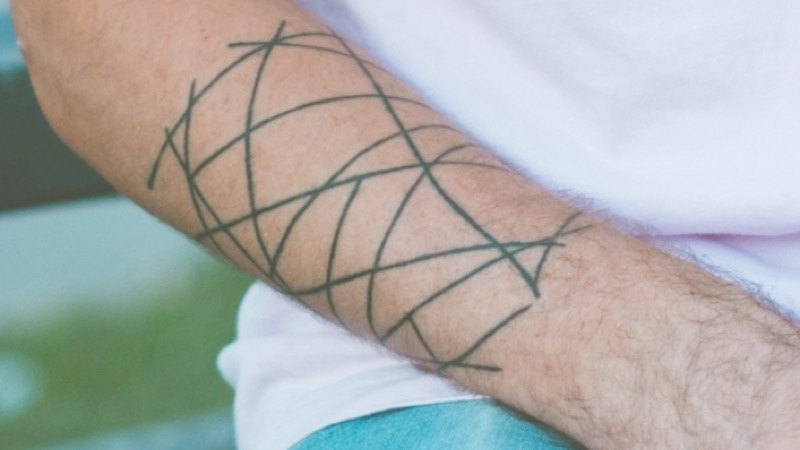
Geometric tattoos rely on clean lines, symmetry, and precise spacing, and the forearm is one of the few body parts flat enough to pull that off consistently. The inner forearm is the go-to placement because curves, angles, and patterns sit true on the flat surface. Geometric work stands out on leaner forearms where the skin sits tight against the muscle. If you are considering a geometric piece, find an artist who specializes in it. Precision is the entire point, and a slightly off line shows more in geometric work than in any other style.
Japanese
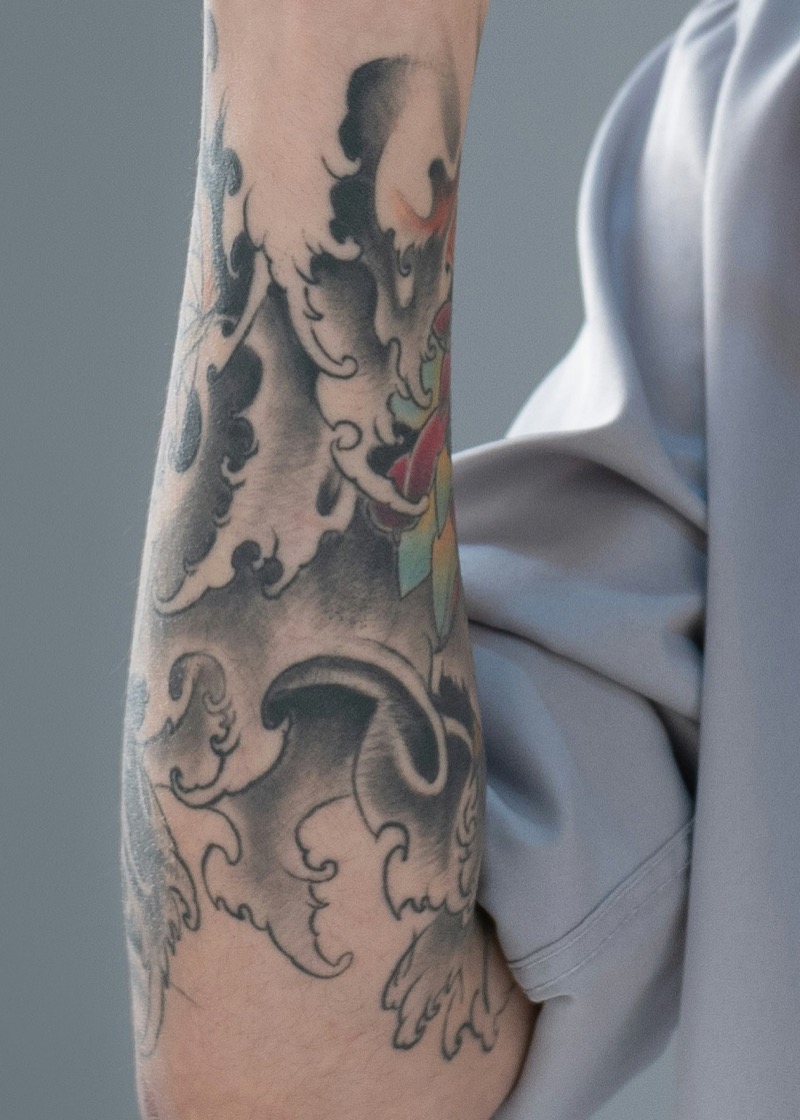
Japanese tattoos are designed to flow with the body, and the forearm is a natural starting point for larger Japanese compositions that may eventually extend into a full sleeve. Waves, koi, dragons, and florals wrap around the forearm in a way that follows the natural contour of the arm. Japanese work on the forearm tends to involve background fill (wind bars, water, clouds), which means fuller coverage and longer sessions. The payoff is a cohesive piece that looks complete on its own and connects seamlessly if you extend it later.
Script & Lettering
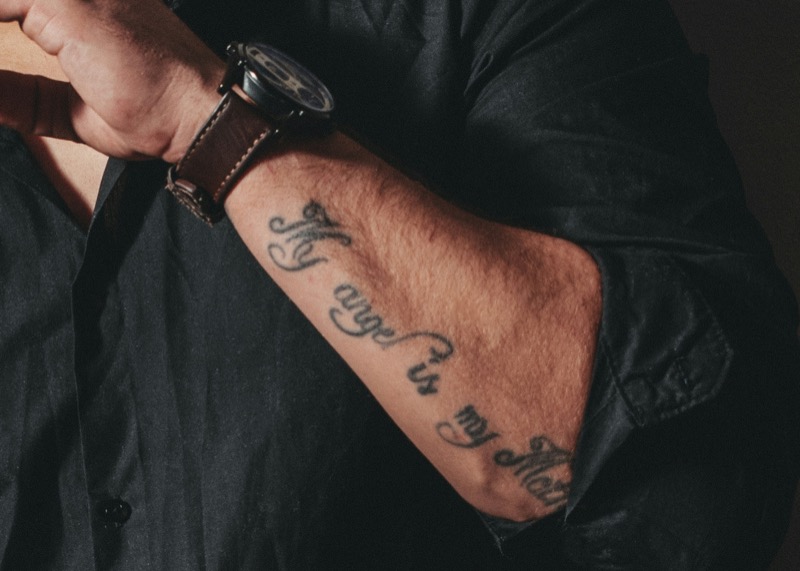
The forearm is the most popular placement for script tattoos because the long, narrow surface mirrors the shape of a line of text. The inner forearm is the standard spot, running from the wrist toward the elbow. Font choice matters here more than anywhere else. A font that is too thin will blur over time. A font that is too thick will lose its character. Ask your artist to print the text at size before committing so you can see how the letterforms sit on your skin. Short phrases and single words work best. Full paragraphs on the forearm end up too small to read clearly after a few years.
Minimalist
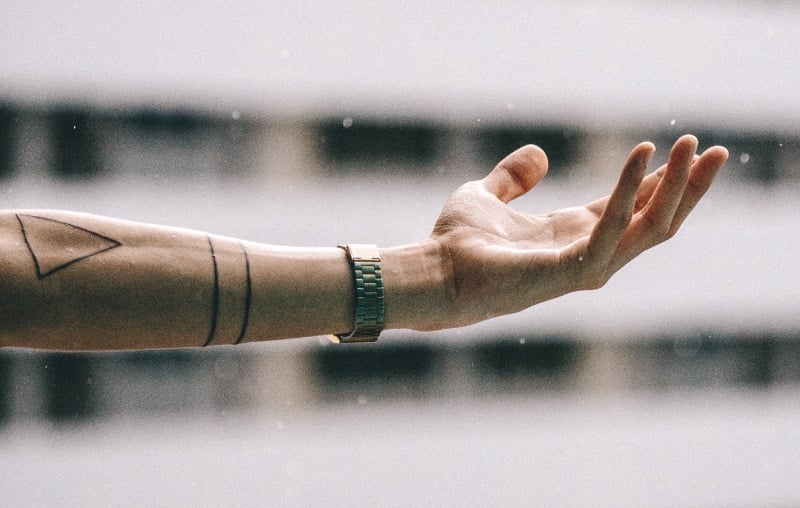
Minimalist tattoos use simple shapes, thin lines, and negative space to create designs that are understated and clean. The forearm is a strong placement for minimalist work because the design has room to breathe against bare skin. Small geometric shapes, single-line drawings, and simple band tattoos all work well here. Minimalist forearm tattoos are a solid first-tattoo choice because they commit a small amount of skin and give you a feel for the process before you go bigger.
Forearm Tattoo Ideas for Men
Small Forearm Tattoos
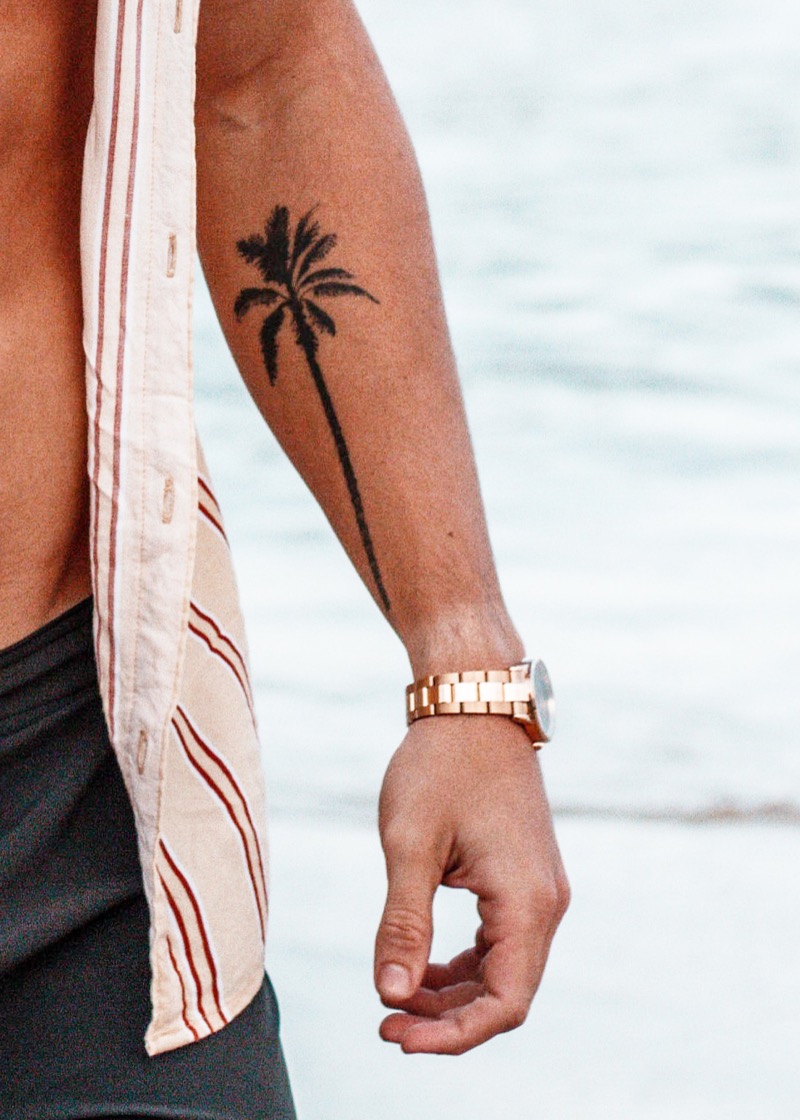
A small forearm tattoo works when you want something visible but contained. A palm tree on the inner forearm, a small symbol near the wrist, or a simple line drawing in the mid-forearm all look great at this size. Small tattoos on the forearm tend to sit best on the inner side where the skin is smoother and the natural contour of the arm frames the design. One thing to keep in mind: shop minimums mean a very small tattoo can cost the same as something twice the size, so you are paying for the artist’s time and setup regardless of how much ink goes into your skin.
Meaningful & Personal Designs
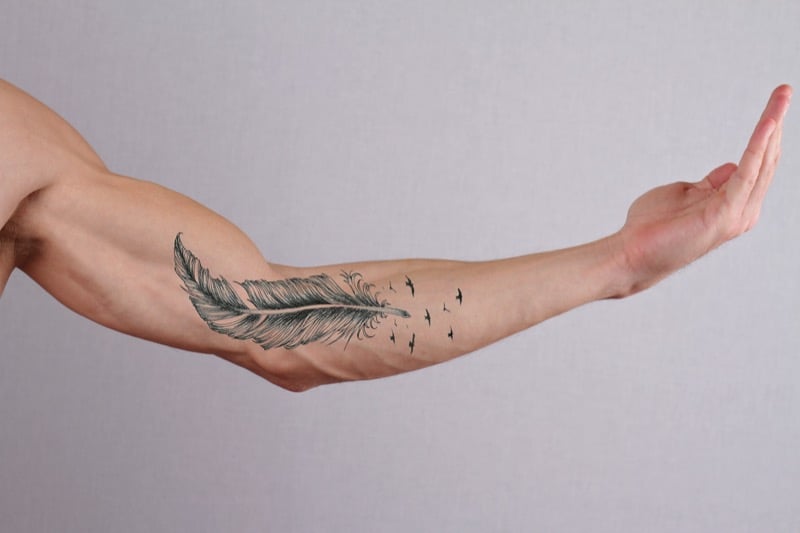
The forearm is where most guys put tattoos that carry personal weight. Memorial pieces, family references, coordinates, dates, and symbols tied to specific moments all show up here more than anywhere else on the body. The visibility of the forearm means you see the tattoo constantly throughout your day, which is part of why personal designs land well in this spot. A feather, a meaningful symbol, or a nature scene tied to a specific place all work on the forearm because the placement gives the design room to be detailed enough to tell its story.
Nature & Animal Designs
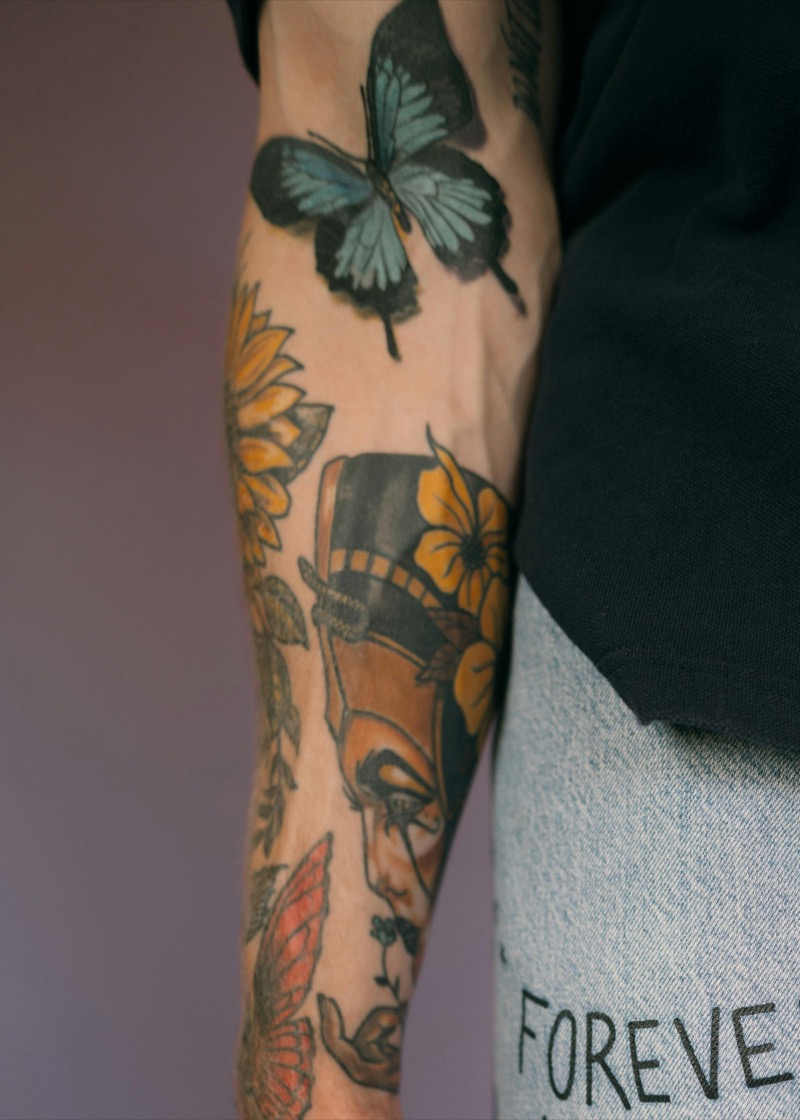
Animals and nature scenes are among the most requested forearm tattoos. Lions, eagles, wolves, and bears translate well to the forearm because the proportions of the inner forearm match the natural shape of an animal portrait. Nature scenes with mountains, trees, and water work on the forearm because the long canvas supports horizontal compositions. Floral work has become one of the fastest-growing styles for men on the forearm, mixing botanical accuracy with blackwork or traditional techniques. A floral forearm sleeve with birds, flowers, and organic shapes creates a composition that flows naturally with the arm.
Forearm Sleeve & Half-Sleeve Designs
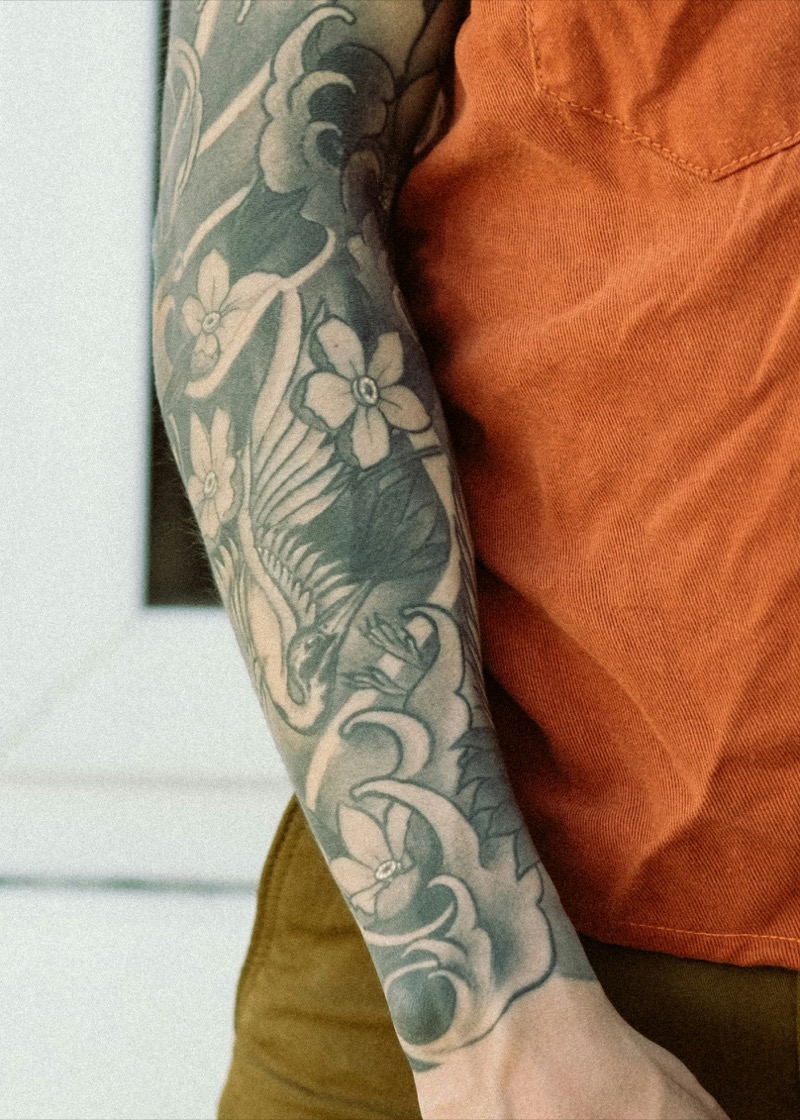
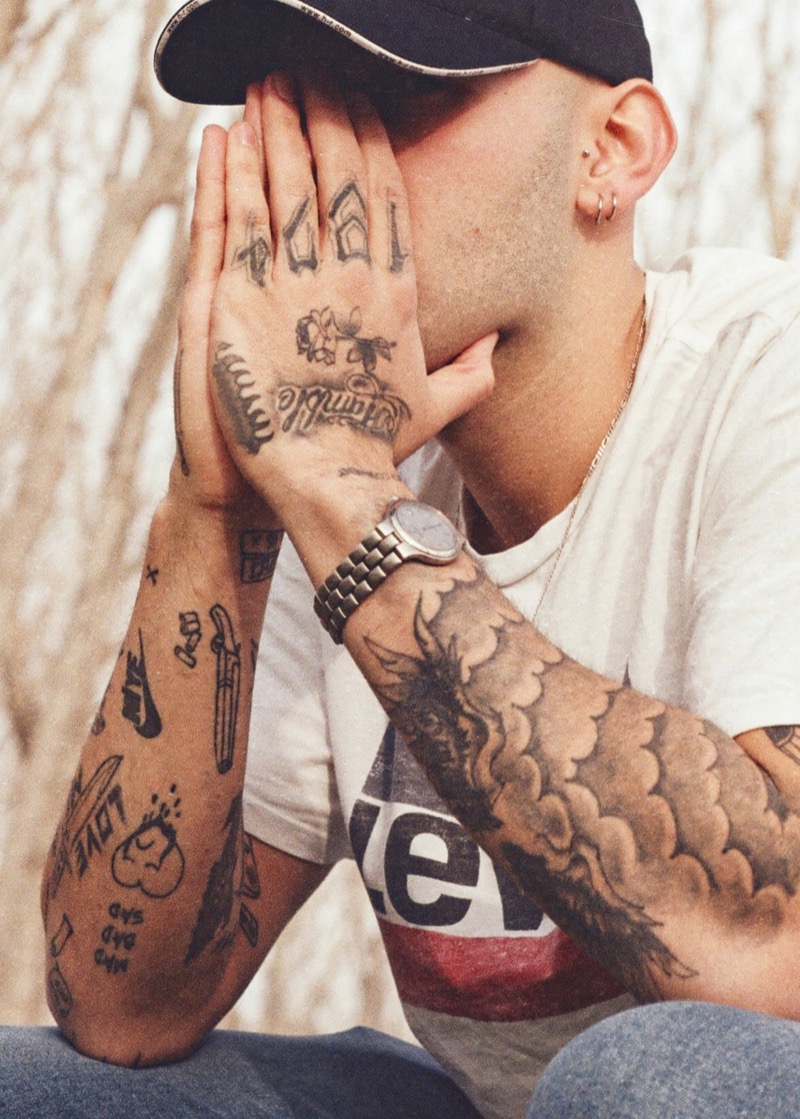
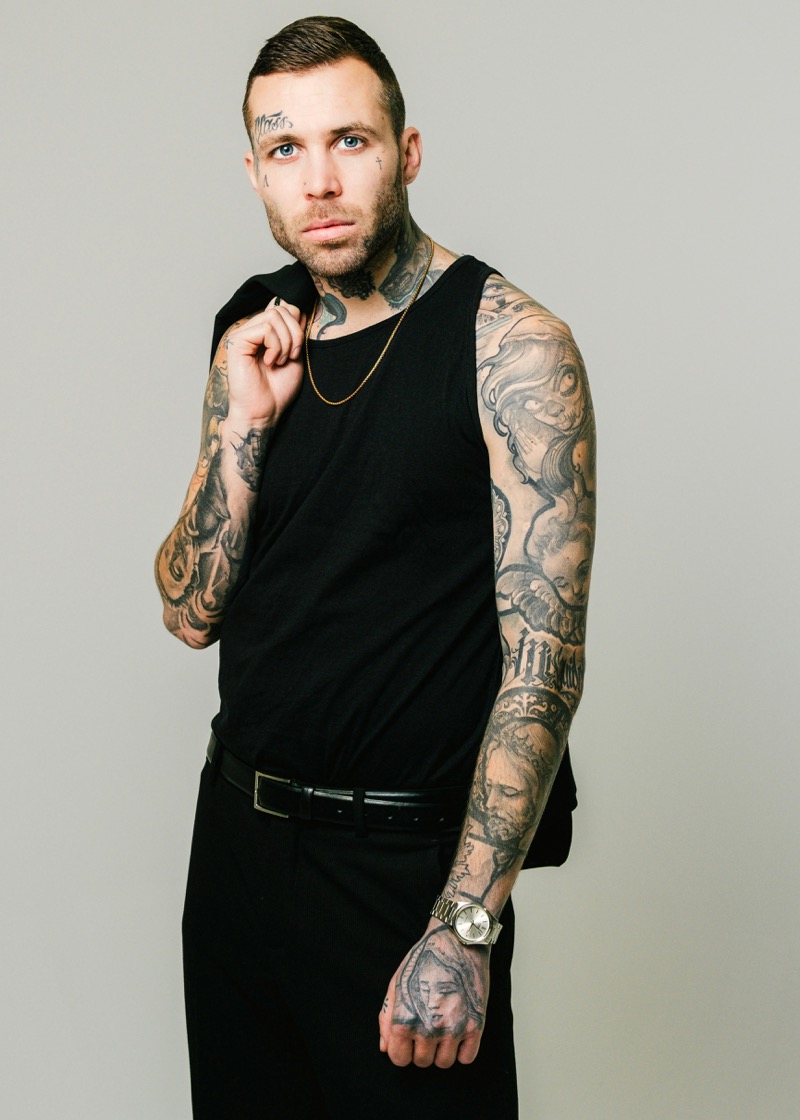
A forearm sleeve covers everything from the wrist to the elbow, and it is one of the most common ways to build a larger tattoo project in stages. Most guys start with a single piece on the inner or outer forearm and add to it over time until the coverage connects. A cohesive forearm sleeve works best when you plan the overall composition from the start, even if you tattoo it across multiple sessions. Talk to your artist about how individual pieces will connect before you start filling in gaps.
A half-sleeve forearm tattoo covers roughly half the circumference of the arm, usually the outer or inner side. This is a good middle ground if you want significant coverage with the option to leave one side open. The cost for a full forearm sleeve runs $1,500 to $4,000 depending on the style and the artist’s rate, usually spread across 3 to 6 sessions.
How Forearm Tattoos Age
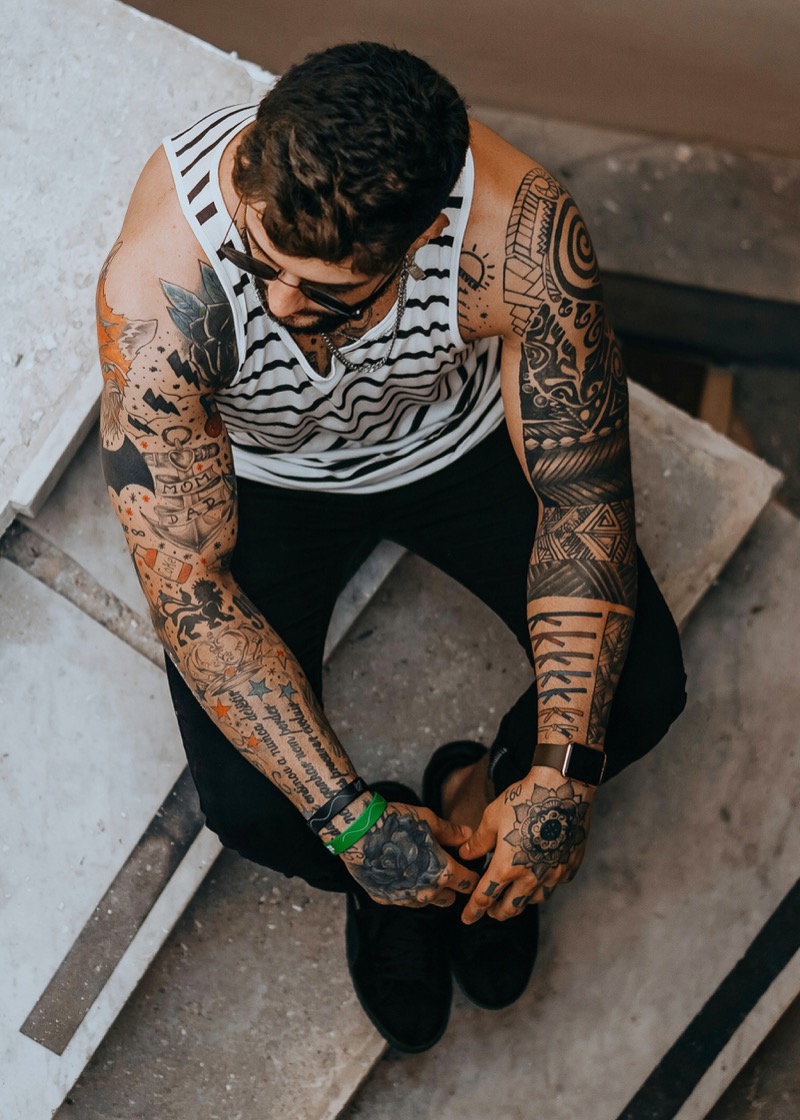
The forearm ages better than most placements, but it is not immune to the factors that break down any tattoo over time.
Sun exposure is the biggest threat. The forearm catches more direct sunlight than almost any other tattoo placement because it is exposed whenever you are in short sleeves. UV light breaks down ink pigments, and color tattoos are more vulnerable than black and grey. If you get a color piece on your forearm, sunscreen becomes a permanent part of your routine any time the tattoo is exposed.
Fine line and single-needle work will soften over the years, but the forearm holds thin lines better than areas with more friction and movement like hands, fingers, and feet. Bold outlines and solid black age the best on the forearm because the pigment stays dense enough to resist the natural spread that happens as skin changes over time.
Placement on the forearm also matters for aging. The inner forearm sees less sun and less friction than the outer forearm, which means inner forearm tattoos tend to hold detail slightly longer. The wrist area takes more wear from watches, bracelets, and general contact, so tattoos near the wrist may need touch-ups sooner than work higher on the forearm.
A well-done forearm tattoo from a skilled artist, with proper aftercare and sun protection, should look solid for 10 to 15 years before it needs any serious touch-up work.
Pain & Healing
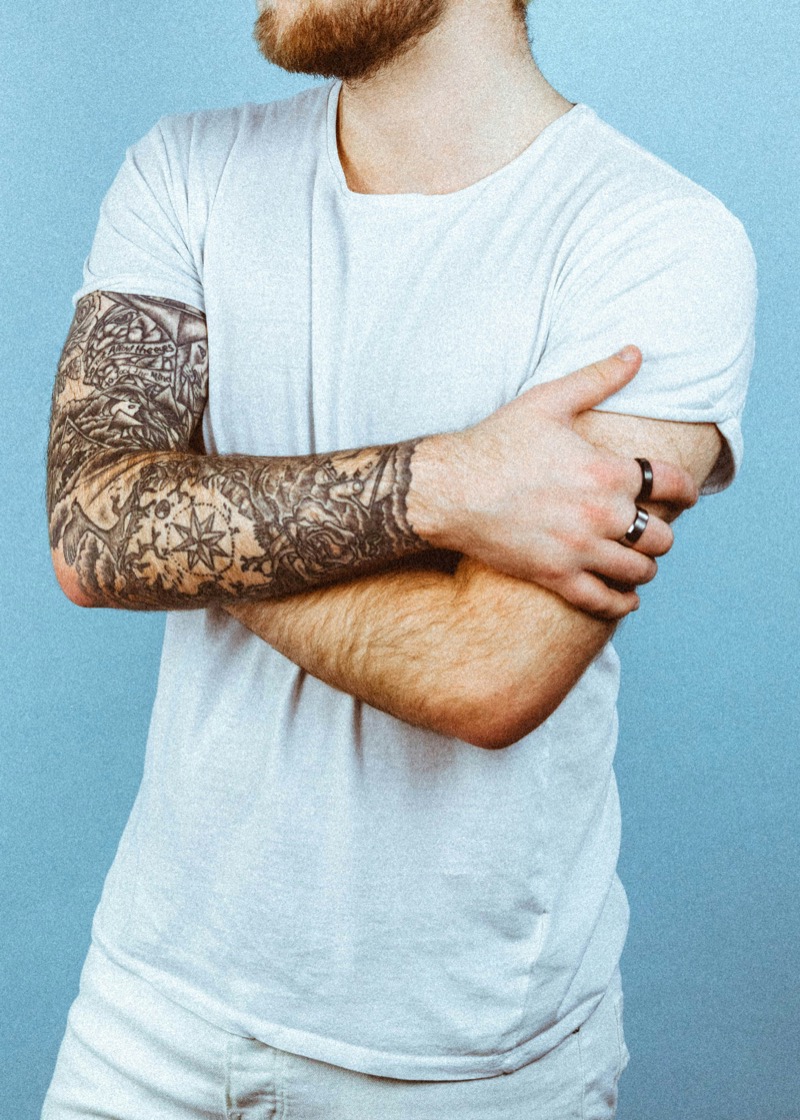
The forearm is one of the more comfortable spots to get tattooed. It is not painless, but it sits in the lower half of the pain spectrum for most people.
The outer forearm is the easiest part. The thicker skin and muscle underneath create a buffer that keeps the sensation manageable. Most guys describe it as a consistent scratching that you get used to within the first few minutes. The inner forearm is slightly more sensitive because the skin is thinner and there are more nerve endings. It is still well within the tolerable range for most people, but expect the sensation to pick up near the wrist and the inner elbow crease.
The elbow itself and the ditch (the soft fold on the inside of the elbow) are the exceptions. Both areas sit over bone or thin, sensitive skin, and both feel significantly sharper than the rest of the forearm. If your design extends into either of those zones, your artist will usually save them for last.
Healing on the forearm takes about 2 to 3 weeks for the surface and up to 6 weeks for the deeper layers of skin. The forearm heals well because the skin gets good airflow and is easy to keep clean. Avoid submerging the tattoo in water for the first 2 to 3 weeks, keep it moisturized with a fragrance-free lotion, and stay out of direct sunlight while it heals. Our full tattoo aftercare guide covers the routine step by step. The forearm is one of the easier placements to care for during healing because you can see it, reach it, and protect it throughout the day.
Frequently Asked Questions
Do forearm tattoos hurt?
Forearm tattoos fall on the lower end of the pain spectrum compared to most placements. The outer forearm is one of the more comfortable spots on the body because of the thicker skin and underlying muscle. The inner forearm is slightly more sensitive, and pain increases near the wrist and the inner elbow crease. Most guys handle the forearm well, and the consistent scratching sensation tends to become background noise within the first 15 to 20 minutes.
What tattoos look best on forearms?
The forearm handles almost every style well, which is part of why it is the most popular placement for men. Traditional, fine line, blackwork, realism, geometric, and Japanese all work on the forearm. The inner forearm favors detailed work like portraits, fine line, and script because the flat surface holds precision. The outer forearm suits bolder styles like traditional and blackwork that look great from a distance. The style that looks best is the one that matches the scale of your design to the available space.
How much does a forearm tattoo cost?
A small to medium forearm tattoo runs $150 to $500 depending on the size, style, and your artist’s rate. A full forearm sleeve costs $1,500 to $4,000 or more, typically spread across multiple sessions. Detailed styles like realism and Japanese cost more per session because they take longer. Your geographic location and the artist’s experience level also affect the price. Check our full tattoo cost breakdown for detailed pricing by size and style.
How long do forearm tattoos take to heal?
Surface healing on the forearm takes about 2 to 3 weeks. During that time the tattoo will peel, flake, and itch as the top layers of skin regenerate. Full healing of the deeper skin layers takes 4 to 6 weeks. The forearm heals faster than many placements because the skin gets consistent airflow and is easy to keep clean and moisturized throughout the day.
Do forearm tattoos fade?
All tattoos fade over time, but the forearm holds ink well compared to high-friction areas like hands, fingers, and feet. The biggest factor in forearm fading is sun exposure. The forearm catches direct sunlight in short sleeves, and UV breaks down ink pigments faster than any other factor. Color tattoos fade faster than black and grey. Applying sunscreen to your forearm tattoo whenever it is exposed will add years to how the tattoo looks.
Is the forearm a good spot for a first tattoo?
The forearm is one of the best first-tattoo placements. The pain is manageable, the healing is straightforward, and the flat surface gives your artist a clean canvas to work with. It is visible enough that you get to enjoy the tattoo daily but easy to cover with a long sleeve in professional settings. A small to medium piece on the inner forearm is the most common first tattoo for men, and it leaves room to add to the design later if you decide to build toward a half-sleeve or full sleeve.