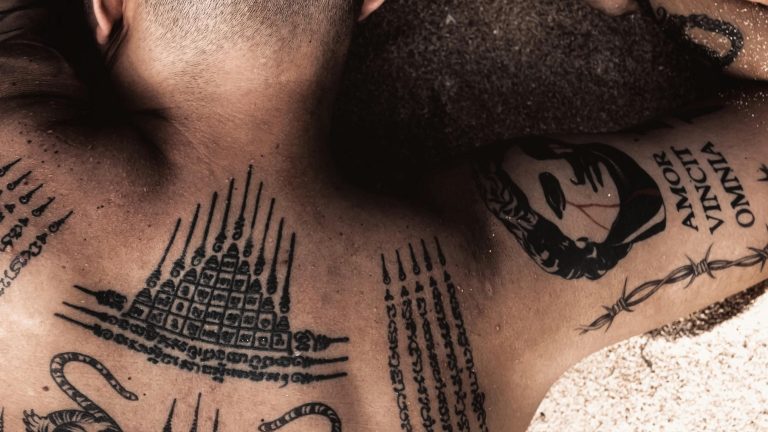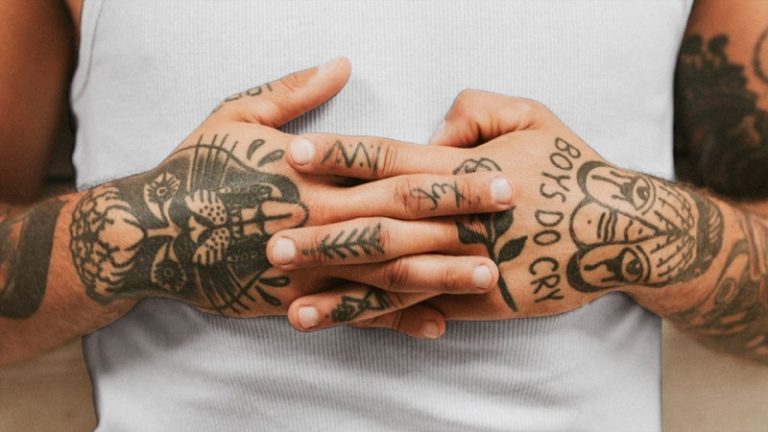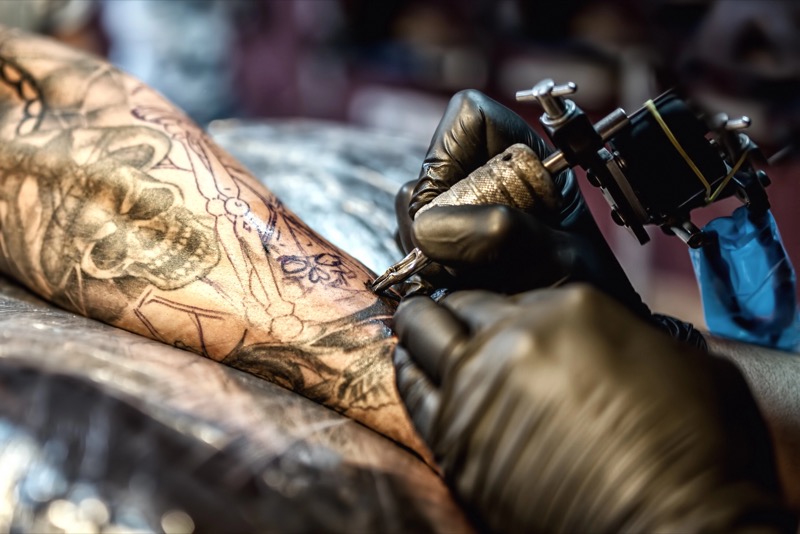
The number one question every guy asks before his first tattoo is what it costs. The number two question is why the answer is always “it depends.” Both are fair. Tattoo pricing has more variables than most people expect, and the gap between a small shop-minimum tattoo and a $5,000 piece is not just about size.
Here is what shapes the price, what you should budget for, and where most guys get caught off guard. These ranges reflect current pricing across reputable tattoo shops and artist booking rates in major U.S. markets. Individual quotes vary based on the artist, design, and location.
What Determines Tattoo Pricing
Tattoo pricing is not standardized, and no two artists price the same work the same way. Good tattoo work is priced like a skilled trade, not a retail product. Six factors shape the price before you walk in the door.
Size is the obvious one. More skin means more time, and time is what you are paying for. A two-inch tattoo on the wrist can take around 30 minutes. A full back piece takes 30 to 40 hours across multiple sessions. The price scales accordingly.
Detail and complexity matter as much as size. A solid black silhouette the size of your palm costs less than a photorealistic portrait the same size. Fine detail means slower needle work, more passes, and an artist who charges for the skill gap.
Style plays directly into that. Realism, color work, and Japanese full-body designs command higher rates because fewer artists do them well and each session takes longer. Traditional American and blackwork tend to run less per hour because the execution is faster, though the best traditional artists still charge a premium.
Placement affects price because some spots are harder to tattoo. Ribs, hands, feet, and neck all require the artist to work around curves, thin skin, or high-movement areas. That slows the session down and often means a higher quote.
Artist experience and reputation set the hourly rate. A newer artist building a portfolio might charge $100 an hour. A sought-after specialist with a two-year waitlist charges $250 to $400 an hour or more. You are paying for the work that made you book the appointment. If the portfolio sold you, the rate is the rate.
Geographic location rounds it out. A tattoo in Manhattan or Los Angeles costs more than the same tattoo in a midsize city in the Midwest. Shop overhead, local demand, and cost of living all roll into the price.
Tattoo Cost by Size
These ranges reflect what most reputable shops in the US charge. Budget shops run lower. High-demand artists run higher. Use these as a starting framework, not a ceiling.
Small tattoos (under 2 inches) run $80 to $200 in most reputable shops. This covers most single symbols, small script, and minimalist designs. Many shops have a minimum charge between $80 and $150 regardless of how small the tattoo is, so a tiny finger tattoo might cost the same as something twice its size.
Medium tattoos (2 to 6 inches) land between $200 and $500. This is the range for a solid forearm piece, an upper arm design, or a detailed chest panel. Most first tattoos fall here.
Large tattoos (6 inches and up) start around $500 and climb past $1,000. A large thigh piece, a half-back design, or an upper arm piece with full shading and background sits in this range. These usually take two or more sessions.
Full sleeve tattoos run $1,500 to $6,000 or more depending on style and coverage. A sleeve is a project, not a single appointment. Expect 4 to 8 sessions over several months. Some artists price a full sleeve as a flat-rate package. Others charge by the session.
Full back pieces range from $2,000 to $8,000 and up. A large-scale back piece with heavy detail and color is among the most expensive tattoos you can get. Top-tier Japanese back pieces can exceed $10,000 when the artist charges $300 or more per hour across 30-plus hours of work.
Tattoo Cost by Style
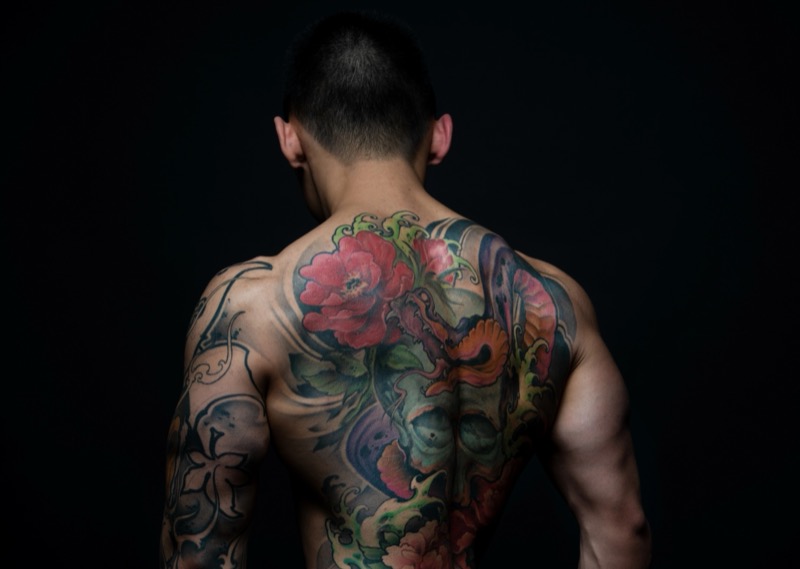
Style changes the price because it changes the time, skill, and technique involved.
Traditional American is one of the more affordable styles. Bold lines, limited color palettes, and a faster application process keep costs toward the lower end. A medium traditional piece on the forearm might run $200 to $400.
Fine line sits in the mid-range. The work is precise but usually involves less shading and color. A fine-line forearm piece runs $150 to $500 depending on detail.
Blackwork and tribal vary widely. Simple solid black designs cost less per hour, but large-scale blackwork coverage adds up fast because of the sheer saturation time. A half-sleeve of heavy blackwork can run $1,500 to $3,000.
Neo-traditional costs more than traditional because it adds shading complexity, broader color palettes, and finer detail work. Expect $250 to $600 for a medium piece.
Realism is where the price jumps. Photorealistic portraits and nature scenes require artists with a specific skill set, and those artists charge for it. A realistic portrait on the forearm or upper arm runs $500 to $1,200 for a single session. Full realism sleeves can run $4,000 to $8,000.
Japanese (Irezumi) full-body work sits at the top. Traditional Japanese tattoos are designed as large-scale compositions with background fill, and the artists who specialize in them charge accordingly. Full Japanese sleeves run $3,000 to $7,000. Full bodysuits are five-figure investments.
Tattoo Cost by Placement
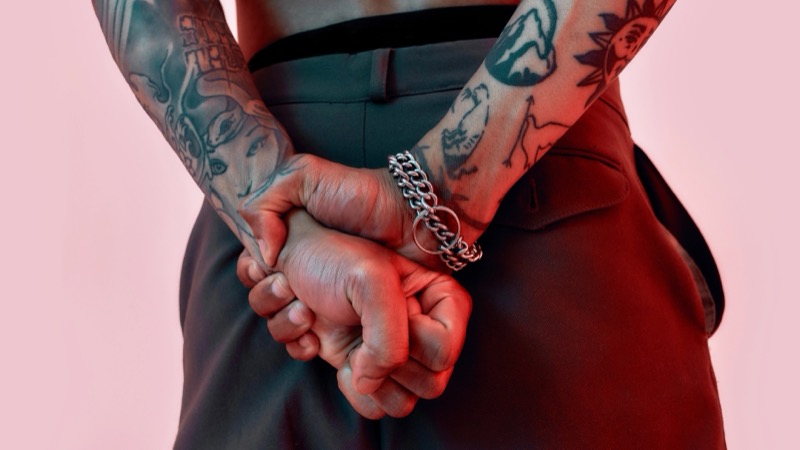
Some spots cost more because they take longer to tattoo.
Forearm and upper arm are among the most straightforward placements for an artist. Flat skin, good visibility, and minimal discomfort for the client mean efficient sessions. Pricing aligns closely with the size and style ranges above.
Chest and back offer large canvases, but contouring around the sternum, collarbones, and spine adds time. Placement affects session length, and longer sessions mean a higher total cost. Areas with more curves and bone require the artist to reposition frequently and work in shorter bursts.
Ribs are slow. The skin is thin, it stretches over bone, and most clients need more breaks because of the pain. Check the tattoo pain chart for a full breakdown by body area. Rib tattoos typically take longer than the same design on flatter areas due to sensitivity and movement. Budget for extra session time.
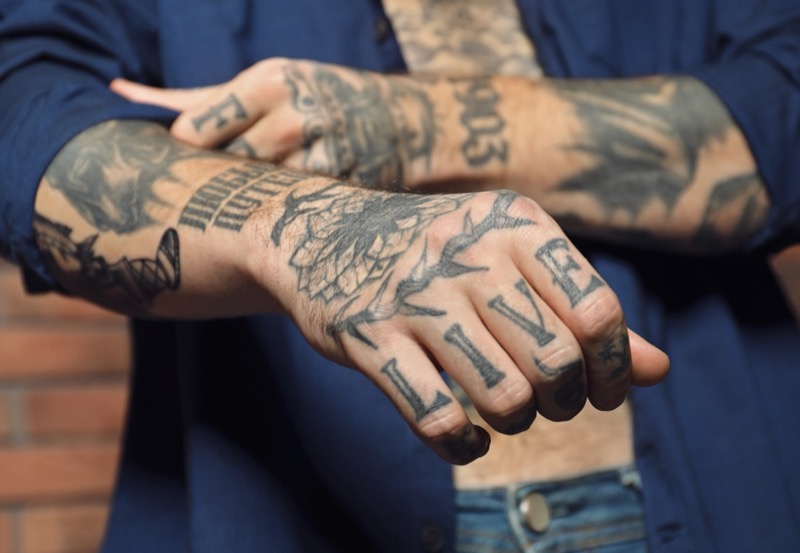
Hands and fingers are tricky placements that require careful technique. The skin is different, the ink does not hold as well, and touch-ups are almost guaranteed. Many artists charge a premium for hand tattoos, and some decline them altogether for first-timers. Expect $150 to $400 for a hand piece, plus a likely touch-up session.
Neck tattoos adds a visibility premium at some shops, and the skin around the throat and behind the ears is sensitive enough to slow the process. Neck tattoos often fall in the $200 to $600 range for medium designs.
Hourly Rates vs Flat Rates
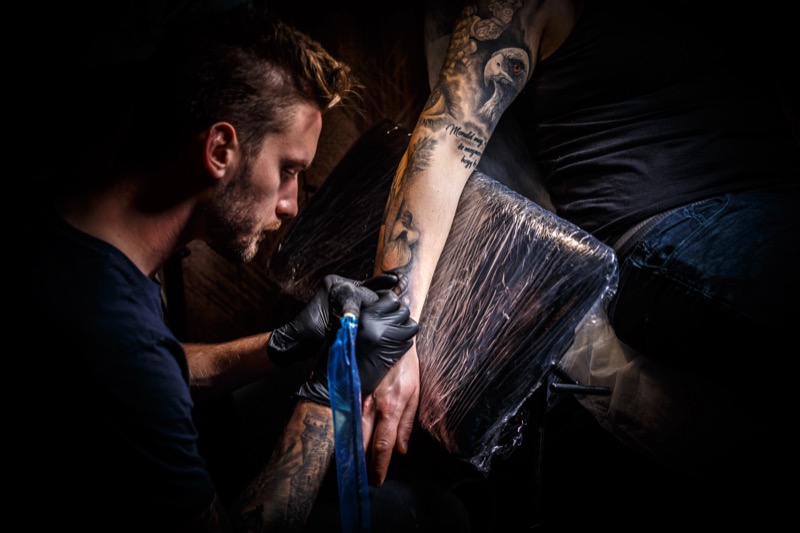
Most tattoo artists price in one of two ways, and knowing which one you are dealing with helps you budget.
Hourly rates are the standard for larger work. The average in the US sits between $150 and $250 per hour, with high-demand artists charging $300 to $500. Hourly pricing makes sense for custom pieces where the artist cannot predict exactly how long the work will take. The downside is that your final cost depends on session speed, your pain tolerance (more breaks mean more time), and how your skin takes ink.
Flat rates are common for smaller, pre-designed pieces and for artists who prefer to quote a project price upfront. A flat rate gives you certainty, but it also means the artist has already estimated the time and built in a margin. You might pay slightly more than hourly for a fast session, or slightly less if the work runs long.
Day rates show up with high-demand or specialist artists, typically for large-scale work. A full day (6 to 8 hours of tattooing) might run $1,500 to $3,000. Day rates are common when booking sleeves, back pieces, or other multi-session projects with a top artist, and they can save money over hourly billing.
Ask before you book. A good shop will tell you their pricing structure upfront and give you a ballpark for your specific design. If you are still early in the process, our guide on how to choose a tattoo covers what to look for in an artist and a shop.
How Much to Tip a Tattoo Artist
Tipping your tattoo artist is standard practice in the US, and it is the one cost most guys forget to budget for.
15 to 20 percent is the accepted range. 20 percent is the norm for good work and a good experience. 25 percent or more is appropriate if the artist went above and beyond, fit you in on short notice, or spent extra time on a custom design consultation at no charge.
Tip in cash when you can. Some shops run tips through their payment system, but cash goes directly to the artist with no processing cut. Hand it to them at the end of the session.
For multi-session pieces, tip after each session, not just at the end of the project. Each session is its own block of work, and tipping consistently keeps the relationship solid.
If you are paying $500 for a tattoo, budget $600 to $625 total. If you are paying $2,000 for a sleeve session, budget $2,300 to $2,400. Build the tip into your number from the start so it does not feel like an afterthought.
Hidden Costs Most Guys Forget
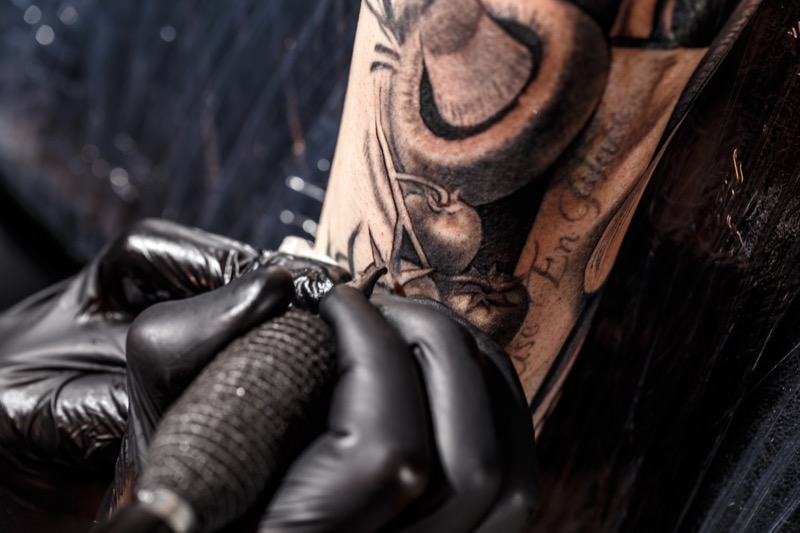
The sticker price of the tattoo is not the full cost. These line items add up, and most first-timers do not see them coming.
Touch-ups are common and sometimes necessary. Certain placements (hands, fingers, feet) and certain skin types lose ink during healing. A good artist usually offers one free touch-up within the first few months, but not all do. Ask upfront. A touch-up session that is not included can run $50 to $150.
Aftercare products cost $30 to $60 for a proper setup. You need a fragrance-free healing ointment, a gentle cleanser, and a good moisturizer for the weeks after. Our tattoo aftercare guide covers the full routine. Some shops sell aftercare kits. Others assume you will handle it yourself. Either way, do not skip this. Cheap aftercare leads to patchy healing, and patchy healing leads to a paid touch-up.
Multiple sessions are a cost that catches guys off guard on larger pieces. That sleeve quote of $3,000 might be split across five sessions, each scheduled 3 to 6 weeks apart. The total cost is the same, but you are spending money over several months instead of all at once. Factor in the time commitment along with the money.
Deposits are standard for custom work. Most artists require $50 to $200 upfront to book your appointment. The deposit usually applies toward the final cost, but it is non-refundable if you cancel or no-show. That money is gone if you change your mind.
Travel costs are real if you are booking an artist outside your city. The best artist for your style might be a flight away. Add travel, lodging, and food to the tattoo budget if you are chasing a specific portfolio.
Red Flags in Tattoo Pricing
A cheap tattoo is not a deal. It is a gamble. And your skin is a terrible place to gamble.
Below-minimum pricing is a warning sign. If a shop is tattooing for $40 or $50 with no minimum, ask why. Good ink costs money. Sterile equipment costs money. Experienced artists cost money. A price significantly below the local average usually means one of those three is being cut.
No consultation, no quote is another red flag. A reputable artist will discuss your design, give you a price range, and explain how they arrived at it. If someone just says “yeah, that will be $200” without looking at reference images or talking through placement, they are guessing or they do not care. Both are problems.
Pressure to commit on the spot does not happen at good shops. A solid artist is comfortable with you taking time to decide. If someone is pushing you to book and pay immediately, walk out.
Shop minimums are normal and not a red flag. Most reputable shops set a minimum of $80 to $150 to cover the cost of setup, materials, and the artist’s time. Many urban shops now sit closer to $100 to $200 minimums. A shop minimum means they value their work enough to set a floor. That is a good sign.
The simplest rule for tattoo pricing: if a price seems too good to be true, it is. You will either pay a fair price now or pay more later to fix what a cheap artist got wrong.
Frequently Asked Questions
How much does a small tattoo cost?
A small tattoo under two inches typically costs $80 to $200 at a reputable shop. Most shops have a minimum charge between $80 and $150, so a very small design like a finger tattoo or a tiny symbol often costs the same as something twice the size. The shop minimum covers setup time, materials, and the artist’s floor rate regardless of how long the actual tattoo takes.
How much should you tip your tattoo artist?
The standard tip for a tattoo artist in the US is 15 to 20 percent of the session cost, with 20 percent being the most common. Cash is preferred because it goes directly to the artist with no processing fee. For multi-session projects like a sleeve or a back piece, tip after each individual session rather than waiting until the full project is finished.
Why are tattoos so expensive?
Tattoo pricing reflects the cost of sterile single-use equipment, professional-grade ink, shop rent, insurance, and the artist’s years of training. A skilled tattoo artist has often spent years apprenticing before taking paying clients, and ongoing costs like licensing, equipment maintenance, and continuing education are built into every session rate. The price is not just for the time in the chair. It covers everything that makes the work safe and permanent.
How much does a sleeve tattoo cost?
A full sleeve tattoo runs $1,500 to $6,000 or more depending on the style, the artist’s rate, and the total number of sessions. Most sleeves require 4 to 8 sessions scheduled several weeks apart, with each session lasting 3 to 6 hours. High-detail styles like realism or Japanese push the total cost toward the higher end because each session covers less skin due to the complexity involved.
Do tattoo artists charge for consultations?
Most tattoo artists offer free consultations where you discuss design ideas, placement, and pricing. Some high-demand artists charge a consultation fee of $50 to $100, which is typically applied toward the cost of the tattoo if you book. If an artist charges for a consultation and does not credit it toward the tattoo, that is worth questioning unless their waitlist and portfolio justify the premium.
Is it rude to negotiate tattoo prices?
Negotiating a tattoo price is not a good move. The artist has set their rate based on their skill level, experience, and the time your design will require. Asking for a discount signals that you do not value the work at the level the artist does, and it can start the client-artist relationship on the wrong foot. If a price is outside your budget, ask the artist how to adjust the design, size, or detail level to fit what you can spend. That conversation is welcome. Haggling over the hourly rate is not.